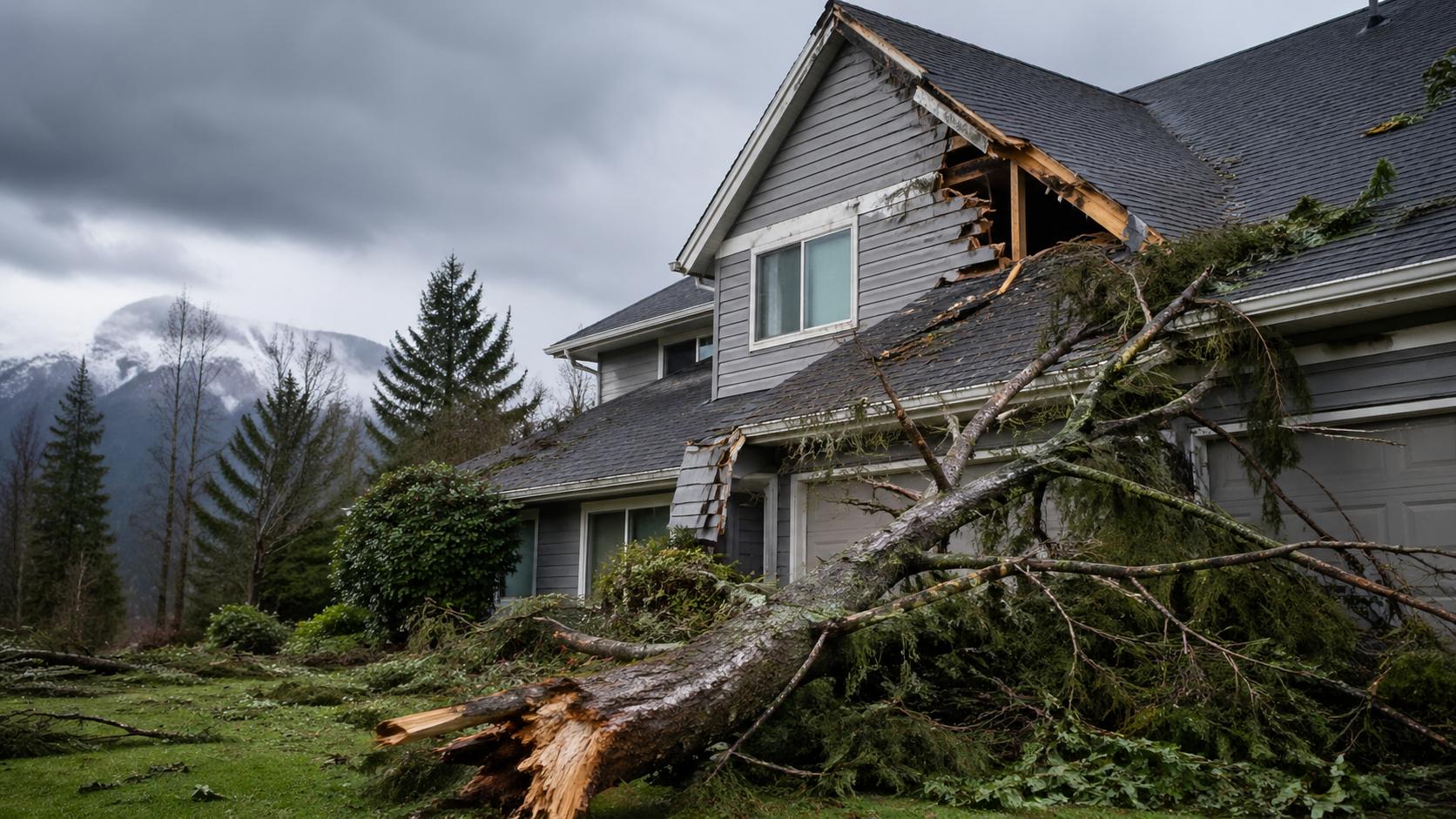
If you've lived in the Fraser Valley for any length of time, you know the drill: storm season rolls in, the wind howls through the night, rain hammers the roof, and you wake up wondering what got damaged this time. Powerful windstorms, atmospheric rivers, and seasonal flooding push homes to their structural limits year after year, from Abbotsford to Chilliwack and everywhere in between. When the skies finally clear and you're staring at cracked foundations, missing siding, or water pooling where it shouldn't be, the question of tackling repairs yourself versus calling a professional becomes very real — and very personal. Do you grab your tools and handle it yourself, or do you pick up the phone and call a general contractor who specializes in this kind of work?
We get it — storm damage comes with genuine emotional and financial pressure. You might be juggling insurance claims, unexpected expenses, and the stress of not knowing how serious the problem actually is. Damage can range from a few blown-off shingles to significant structural issues that affect the safety of your home. Seeing water stains creep along your basement walls or discovering cracks in your concrete foundation after a major weather event is enough to keep anyone up at night. It's natural to want to save money by handling things yourself, and in some cases that instinct is exactly right. In others, though, a DIY approach can make things worse and end up costing far more in the long run.
The right decision depends entirely on the type of damage, how extensive it is, and the safety risks involved. A cosmetic issue in your yard is a very different problem than compromised load-bearing walls or foundation damage beneath your home. As recent flooding events in the Fraser Valley have shown, even moderate storms can create serious, compounding damage that isn't always visible at first glance. In this article, we'll walk you through how to assess damage after a storm, where the realistic limits of DIY fall, and when to bring in a professional contractor. We'll also cover what emergency storm damage repair in the Fraser Valley looks like in practice, and how to find the right team without overpaying. Whether you're cleaning up after last night's storm or preparing for the next one, this guide is built to help you make confident, informed decisions.
Understanding Storm and Wind Damage in the Fraser Valley
Living in the Fraser Valley means dealing with serious weather. Powerful windstorms topple trees and tear at buildings, heavy rainfall tests every seal and drainage system on your property, and freezing events — though less common here — can be just as punishing, particularly to exposed concrete and masonry. When damage hits, homeowners are often left with an uncomfortable decision: handle repairs themselves or bring in a professional. The right call usually depends on how deep the damage actually goes. Getting a qualified contractor to look things over early can save you from expensive surprises later. But either way, understanding what these storms do to your home is where everything starts.
The Range of Damage Storms Leave Behind
Fraser Valley storms don't discriminate — they hit every part of your home. Roofing materials get lifted or cracked, siding panels buckle and separate, and fencing can be flattened overnight. But the damage you can see is only part of the story. Structural storm damage often hides beneath the surface, affecting framing, load-bearing walls, and foundation connections that aren't visible without a trained eye. A recent windstorm in Chilliwack and the broader Fraser Valley reminded residents just how quickly conditions can escalate, leaving widespread destruction in their wake.
Why a Storm Damage Assessment Matters
Wind damage can be genuinely deceptive. A roof might look intact from the ground while the underlayment is compromised, or siding might appear fine while moisture is already migrating into the wall cavity. That's why getting a thorough assessment done before any restoration work begins matters so much. A professional storm repair contractor knows where to look and what to test, catching issues that untrained eyes simply miss. Skipping this step is one of the most common — and most expensive — mistakes homeowners make after a storm.
Concrete Storm Damage and Freeze-Thaw Cycles
Concrete is one of those things people rarely think about after a storm — until it starts falling apart. When moisture gets into cracks in foundations, walkways, or retaining walls, freeze-thaw cycles do the rest: water expands as it freezes, then contracts when it thaws, and every cycle widens the damage a little more. Left too long, what started as surface cracking can work its way into genuine structural trouble. That's why concrete repairs are worth addressing sooner rather than later. If you're not sure which cracks actually warrant concern, identifying structural vs non-structural cracks after a storm is a good place to start. Getting that assessment right early is often the difference between a straightforward repair and a recurring problem that gets more expensive every season.
What Homeowners Can Realistically Handle Themselves
After a storm rolls through, it's tempting to grab your toolbox and start fixing everything in sight. And honestly, some repairs genuinely are within reach for a capable homeowner. Knowing where that line falls between DIY and calling a professional is one of the smartest things you can do — for your wallet and your safety. Not every situation needs a contractor, but recognizing when it does can stop a small problem from becoming an expensive one.
There are repairs most homeowners can handle confidently: patching small holes in siding, replacing a few lifted shingles, mending a damaged fence section, or clearing fallen branches and debris from the yard. The conditions that make DIY reasonable are small scope, no structural involvement, and safe ground-level access. If you can complete the job with basic tools, without climbing steep surfaces or working near power lines, you're probably fine to tackle it yourself.
A few practical steps can also limit further damage while you wait for professional help. Tarping a damaged roof section to prevent water entry is a common emergency measure, and boarding up broken windows keeps the elements out. Just make sure you're working in calm, dry conditions — never attempt roof repairs during ongoing high winds or rain. Use heavy-duty tarps secured with furring strips rather than weighting them down with rocks. The Fraser Valley's winds will rip a loose tarp off in minutes.
This is where things get tricky. Our region's persistent moisture means water intrusion doesn't simply dry out the way it might in a prairie climate. Hidden moisture behind walls can lead to rot, mold, and compromised framing within weeks. What looks like a simple siding patch might be concealing structural damage or problems around the foundation. Water reaching electrical wiring is also a serious hazard that's easy to miss during a visual inspection.
DIY can absolutely save you money on minor repairs, but storm damage restoration done incorrectly often costs significantly more down the road. A patched roof that leaks slowly can lead to thousands of dollars in hidden damage, turning what could have been a straightforward fix into a major restoration project. As Canada's National Risk Profile highlights, weather-related risks are increasing — which makes it more important than ever to recognize when a professional is the right call. Handle the small stuff with confidence, but when there's any doubt about structural integrity, moisture damage, or safety, that's when it's time to call in a team like Black Birch Contracting.
When You Need to Call a Professional Contractor
After a major storm, homeowners in the Fraser Valley face a decision that's genuinely hard to get right: handle the repairs yourself, or bring in a professional? It's not just about saving money — it's about safety, structural integrity, and whether your home holds its value down the road. Cracked foundations, sagging rooflines, water pouring into your basement, concrete that's shifted and crumbled — these are all clear signals that you need a general contractor with real experience in storm and wind damage repair. And honestly, storm damage can be deceptive. The problems that matter most aren't always visible from your driveway.
What Structural Repair After Storm Events Really Involves
Structural repair after a storm means far more than patching a hole and calling it done. It involves assessing load-bearing walls, evaluating concrete damage, checking foundation alignment, and confirming that the entire structure is safe to inhabit. This kind of work requires licensed expertise, because mistakes can compromise everything from your roof to your footings. A professional storm repair contractor understands building codes, engineering principles, and the specific vulnerabilities that Fraser Valley homes face given our regional weather patterns. According to the Fraser Valley Regional District's hazard report, the region is susceptible to windstorms and flooding events that can cause serious structural damage.
Wind, Foundations, and Emergency Response
Most homeowners don't think of wind damage as something that goes underground — but it can. Severe wind events shift saturated soil around your foundation, and that movement creates settlement issues and cracking that gets worse with each storm. If you're noticing new cracks in your concrete, or doors that suddenly won't close the way they used to, it's worth looking into wind damage foundation repair solutions before things get out of hand. And when you're dealing with a partially collapsed wall or active water infiltration, you need someone who can move fast and knows what they're doing. That's not a situation where you figure it out as you go.
The Cost of Waiting
Putting off storm damage repairs tends to make everything worse, faster than most people expect. Moisture trapped in walls turns into mold, and it doesn't take long — you can read more about mold risks following storm damage restoration to get a sense of how quickly that window closes. Insurance claims get messier too. If an adjuster determines you sat on the damage without acting, your payout can shrink — or get denied outright. Repairs are also almost always cheaper when you catch them early, before one problem feeds into three others. If you're on the fence about when to hire a contractor, the honest answer is probably sooner than feels necessary. A trained eye routinely spots things that aren't obvious to anyone else, and that difference in timing can mean a lot when the bill comes due.
The True Cost of Storm Damage Repair in the Fraser Valley
When a major storm rolls through the Fraser Valley, the aftermath can leave homeowners feeling overwhelmed — especially when it comes to figuring out what repairs will actually cost. Getting a realistic sense of those costs before you start making decisions matters a lot, whether you're planning to tackle repairs yourself or hiring a contractor to manage the whole project. Here's a breakdown of what you can actually expect.
Typical Storm Damage Repair Cost Ranges
How much does storm damage repair cost in Fraser Valley? Here are realistic ranges based on common repair categories:
Roofing repairs (shingles, flashing, minor structural): $1,500–$15,000+
Siding replacement and wind damage restoration: $3,000–$20,000
Structural storm damage (beams, load-bearing walls): $10,000–$50,000+
Concrete storm damage repair (walkways, foundations, retaining walls): $2,000–$25,000
Foundation stabilization and waterproofing: $5,000–$40,000+
These ranges shift considerably depending on how bad the damage is, what materials are involved, how easy it is to access the site, how urgently work needs to happen, and whether the job requires municipal permits. If you're calling contractors during an active weather event, expect to pay more — demand spikes and safety risks are real factors that get priced in.
Hidden Costs of DIY and the Insurance Advantage
It's tempting to tackle storm damage yourself — save some money upfront, skip the wait for a contractor. But DIY repairs that go sideways tend to get expensive fast. We're talking remediation costs, code violations, permit issues, and full redo work that ends up costing more than the original professional quote would have. A professional storm repair contractor comes with proper documentation — detailed assessments, photos, and itemized estimates — and that paperwork matters enormously when you're dealing with your insurer. Without it, adjusters frequently undervalue claims or deny them outright, leaving you covering the difference yourself.
Don't Overlook Concrete Restoration After Storm Damage
One cost category homeowners consistently underestimate is concrete restoration after storm damage. Cracked foundations, eroded retaining walls, and compromised concrete structures may not look alarming right away, but left alone, they let water in — and water in the wrong places leads to serious structural failure. We've seen relatively minor cracks turn into major problems simply because they weren't caught early. Getting a professional assessment and repairing the damage promptly will almost always cost less than emergency structural intervention down the road. That makes acting quickly a smarter financial call than hoping a DIY fix will hold.
Choosing the Right General Contractor for Storm Repairs
When a major storm rolls through the Fraser Valley, the damage it leaves behind can feel overwhelming. Torn roofing, cracked foundations, water intrusion — they all hit at once, and knowing where to start is genuinely difficult. Hiring the right general contractor is what separates a smooth recovery from a frustrating, drawn-out ordeal. A qualified storm repair contractor brings the expertise, licensing, and coordination to restore your property properly, not just slap a patch on it and call it done. Before you sign anything, it's worth understanding what actually distinguishes a solid contractor from a risky one.
Why Local Experience Matters
A Fraser Valley-based general contractor knows the region's building codes, weather patterns, and material demands in ways an out-of-area company genuinely doesn't. The Fraser Valley gets hit with intense windstorms, heavy rainfall, and freeze-thaw cycles that create real structural headaches — and dealing with those conditions properly takes hands-on experience, not just a quick Google of local climate data. Local contractors also have working relationships with suppliers and municipal permitting offices, which keeps storm damage restoration projects moving instead of stalling out on paperwork. When you're hiring a general contractor in the Fraser Valley, that local grounding is one of the more reliable things you can look for.
The Value of Coordinated Restoration
Storm repairs rarely involve just one trade. Projects in the Fraser Valley often need roofers, structural engineers, concrete specialists, and waterproofing crews — and the order in which they work matters. A general contractor keeps all of these trades on a single project timeline, making sure concrete repair happens before waterproofing goes on and that roofing work reflects what the structural assessment found. We've seen what happens when this coordination is missing: a waterproofing crew seals over unrepaired concrete, or a roofer patches shingles before anyone's checked whether the structure beneath is sound. Those kinds of piecemeal fixes cost more to undo than they saved in the first place. When emergency storm repair is done properly, each phase sets up the next one correctly.
Questions to Ask and Red Flags to Avoid
Before hiring anyone, ask about licensing, insurance, project timelines, warranties, whether they use subcontractors, and who handles permits. A contractor worth hiring won't flinch at these questions — they'll welcome them. You also need to watch out for storm chasers: contractors who show up right after a disaster with unusually low bids, no written contract, and no local references. We've seen this pattern plenty of times. They collect a deposit, do shoddy work or none at all, and vanish before you can track them down. When it comes to storm recovery, you really can't afford to cut corners — the consequences show up months later in your walls, your roof, and your wallet. For guidance on choosing a trusted general contractor for structural repairs, stick with verified credentials and a written scope of work, every single time.
Frequently Asked Questions
How do I know if my storm damage needs a professional or if I can fix it myself?
It really comes down to the type and extent of the damage. Cosmetic issues like minor yard cleanup or small surface repairs are often manageable on your own, but anything involving your roof's underlayment, wall framing, load-bearing structures, or foundation should be assessed by a professional first. What looks minor on the surface can sometimes point to deeper structural damage that only a trained eye will catch.
What are the most common types of storm damage Fraser Valley homeowners deal with?
Fraser Valley storms tend to hit roofing materials, siding, fencing, and drainage systems hardest — at least visibly. The less obvious damage is often the more serious kind. Structural damage to framing and foundation connections, moisture migrating into wall cavities, and concrete deterioration from freeze-thaw cycles are all common in this region. Windstorms, atmospheric rivers, and seasonal flooding each create their own problems, and sometimes you're dealing with all of them at once.
Why is a storm damage assessment so important before starting repairs?
Wind and water damage can be genuinely deceptive. A roof or wall can look perfectly fine while moisture is already causing serious harm beneath the surface. A proper assessment by an experienced contractor helps identify hidden problems before they turn into much costlier repairs. Skipping this step is one of the most frequent — and expensive — mistakes homeowners make after a storm.
How does concrete get damaged during Fraser Valley storms?
When storms drive moisture into existing cracks in foundations, walkways, or retaining walls, freeze-thaw cycles cause that moisture to expand and contract repeatedly, accelerating deterioration over time. What starts as minor surface cracking can become a serious structural problem if repairs are delayed. It's worth addressing these issues sooner rather than later.
How do I tell the difference between a structural crack and a non-structural crack after a storm?
Not every crack in your foundation or concrete is cause for alarm, but some do indicate significant underlying problems that need attention quickly. The location, direction, width, and pattern of a crack all help determine how serious it is. A qualified general contractor can help you sort out which is which, and getting an expert opinion early is always worthwhile when you're not sure.
What should I do immediately after storm damage to my home in the Fraser Valley?
Safety first — stay clear of any structural damage, downed power lines, or areas with standing water until conditions are safe. Before you touch anything, document everything with photos, since that record will matter for insurance claims. From there, contacting a professional storm repair contractor early gives you a clear picture of what you're actually dealing with and helps prevent the damage from getting worse while you wait.
Storm damage in the Fraser Valley is rarely as straightforward as it looks. Getting the right help early is what separates a well-managed repair from a problem that quietly compounds for months. Black Birch Contracting works with homeowners across the region to assess, plan, and restore storm-damaged properties — so if you're unsure what you're dealing with after a major weather event, reach out and let's take a look together.