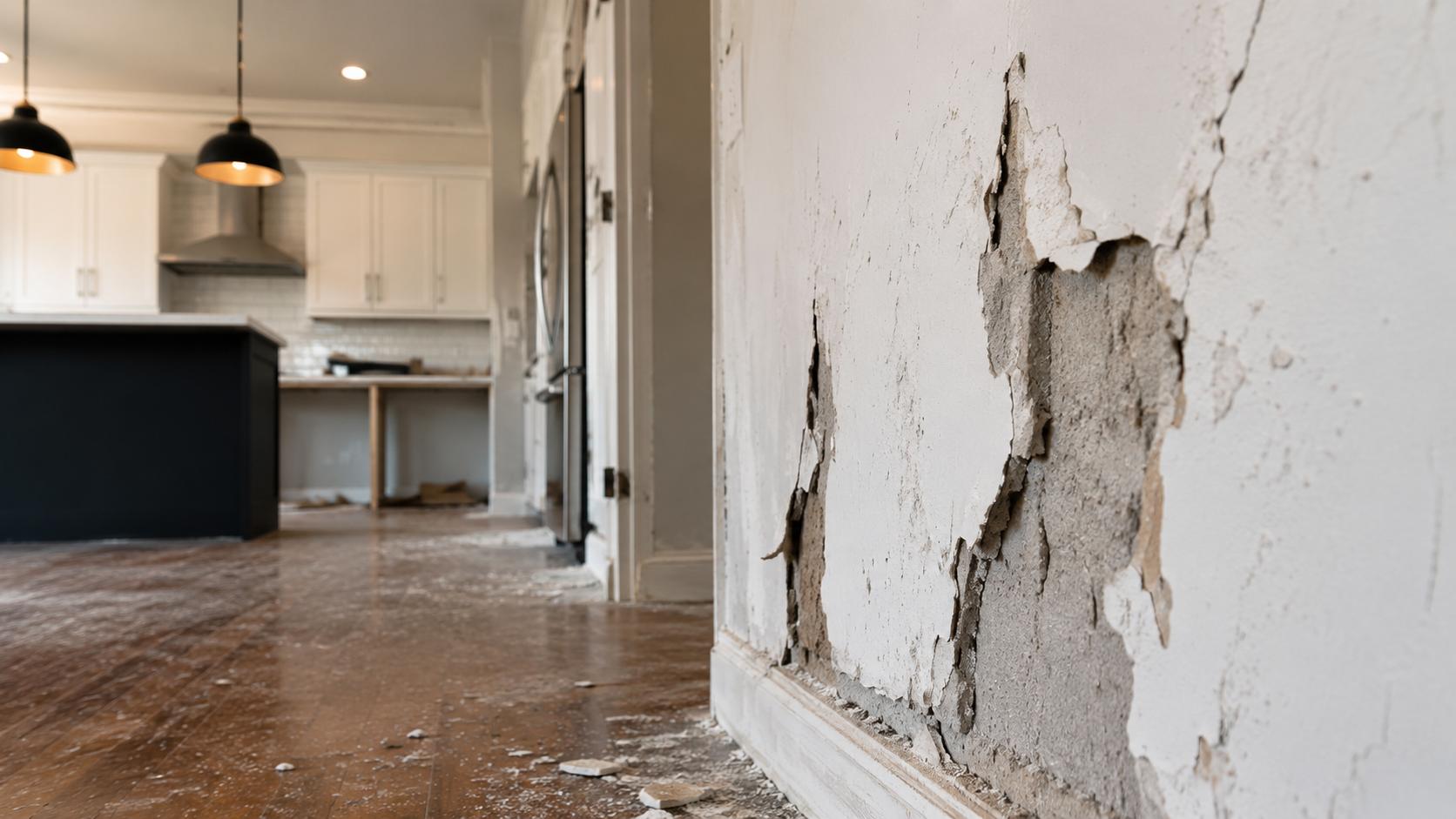
Renovation failures across the Fraser Valley are becoming a frustrating reality for homeowners who thought they were making smart investments. If you've noticed cracks, peeling, or water damage showing up in work that was finished just a few years ago, you're not alone. These problems are more common than most people realize throughout Chilliwack and the surrounding communities, and concrete repair shortcuts are often hiding just below the surface. That fresh coat of finishing may look great on day one, but what's underneath tells a very different story.
Here's the core tension too many homeowners discover the hard way: renovations can look absolutely beautiful when first completed, yet poor practices and cut corners lurk beneath that polished exterior. Improper surface preparation, skipped waterproofing steps, and materials applied under the wrong conditions all contribute to premature failure. The work passes the eye test during the final walkthrough, but the underlying issues are already set in motion. Why renovations fall apart often comes down to decisions made long before the finishing touches went on.
The pattern we see most often is that problems surface somewhere between 3 and 5 years after a renovation wraps up. That's when moisture intrusion starts revealing itself through staining, spalling concrete, or structural shifting. At Black Birch Contracting, we run into this consistently throughout Chilliwack, Abbotsford, and the broader Fraser Valley. Structural repair after a bad renovation makes up a significant portion of the work we do, and the root causes are remarkably consistent from one project to the next.
So what are the main culprits? In our experience, the biggest offenders are rushed timelines that don't allow materials to cure properly, moisture intrusion that was never addressed during the build, waterproofing failure from skipped or inadequate membrane application, and concrete repair shortcuts that prioritize appearance over longevity. The consequences range from cosmetic annoyances to serious structural concerns that cost far more to fix than doing the job right the first time. Understanding why renovations fail is the first step toward making sure yours doesn't become another cautionary tale.
The Hidden Cost of Rushing a Renovation Timeline
When renovation problems appear in Chilliwack and across the Fraser Valley a few years after a project wraps, homeowners are often baffled. Everything looked perfect at handoff. The truth is that most renovation failures in the Fraser Valley don't come down to bad materials or dishonest contractors. They trace back to a rushed timeline that never gave the work a fair chance. Understanding why renovations fall apart usually means looking past the surface and asking how quickly the job was pushed through.
When Trades Stack Up and Materials Don't Cure
A compressed schedule forces trades to overlap in ways that create real damage down the line. Concrete needs proper dry times before coatings or membranes go on top, and adhesives require curing windows that you simply can't shortcut without inviting failure. When contractors skip these wait periods under pressure, you get improper surface preparation, trapped moisture, and layers that never bond correctly. Waterproofing failure is almost inevitable when membranes go over surfaces that haven't fully dried. Fraser Valley's wet shoulder seasons in spring and fall make this even more punishing. Moisture intrusion from renovation work done during those damp months compounds quickly when dry times are cut short.
The 3 to 5 Year Reckoning
Concrete repair shortcuts and skipped curing windows rarely announce themselves right away. It usually takes three to five years for the consequences to show up. Caulking shrinks and pulls away from joints. Coatings delaminate because the substrate beneath them was never properly prepared. Expansion joints crack because sealants were applied in conditions that compromised adhesion. By that point, warranty claims often hit a dead end. Work done out of sequence or without proper documentation makes it nearly impossible to hold anyone accountable. We've seen this play out repeatedly, and the costs are steep, frequently requiring structural repairs that could have been avoided entirely.
Scheduling Pressure, Not Bad Intentions
Most renovation quality control failures come from scheduling pressure, not intentional negligence. With remodeling costs continuing to climb, the temptation to compress timelines and cut labor hours is real. But the math never works out for the homeowner. A properly paced renovation costs less over time than one that gets torn apart and rebuilt within a decade. If you're planning exterior or concrete work in the Fraser Valley, give the project the time it actually needs, especially during our wetter months. You'll be glad you did.
What Poor Surface and Substrate Preparation Actually Does to Your Renovation
If you've ever wondered why renovations fall apart just a few years after completion, the answer is usually hiding right beneath the surface. Renovation problems in Chilliwack and across the Fraser Valley frequently trace back to one unglamorous culprit: improper surface preparation. It's not a flashy topic, but renovation failures in the Fraser Valley are overwhelmingly tied to what happens, or doesn't happen, before any coating, overlay, or finish material goes down. Cut corners at this stage and you've set off a chain reaction that no amount of beautiful finishing can undo.
What Proper Prep Looks Like vs. What Shortcuts Look Like
Real substrate preparation means mechanical grinding or shot blasting to get the right surface profile, thorough cleaning to pull out dust, oils, and contaminants, moisture testing, and applying the correct primers or bonding agents. Every step is there for a reason: to give the next layer something to grip at a molecular level. Shortcuts, by contrast, look like a quick sweep, maybe a light pressure wash, and then jumping straight to the overlay or coating. A rushed timeline might skip profiling entirely, betting on hope rather than adhesion science. That saves a contractor a day of labour. It costs you thousands in premature failures.
What Happens to Concrete When Prep Is Skipped
With concrete specifically, the consequences of renovation shortcuts are brutal. Coatings peel in sheets. Overlays crack and delaminate. Tiles debond and pop loose. Moisture trapped beneath poorly bonded coatings becomes a serious problem in Fraser Valley freeze-thaw cycles, expanding and contracting relentlessly until the surface fails. This is actually one of the more common causes of concrete spalling we see in the region: waterproofing failure that traces directly back to inadequate bonding prep. What starts as a cosmetic issue turns into a structural repair job. As documented in cases of botched building improvement schemes, cutting corners on preparation creates damage that far exceeds the cost of the original project.
The Invisible Problem and the Red Flag You Shouldn't Ignore
Proper prep is invisible in the finished product. This makes it dangerously easy to skip without the client noticing, at least until premature concrete deterioration sets in. That's exactly why red flags at the estimate stage matter. A contractor who doesn't ask about your existing surface conditions, moisture history, or previous coatings is one to watch carefully. At Black Birch Contracting, we treat substrate assessment as non-negotiable, because what you can't see in the final product is precisely what determines whether it lasts.
Moisture Intrusion: The Silent Destroyer Behind Most Renovation Problems
When homeowners start digging into renovation problems in Chilliwack and across the region, the first assumption is usually that something cosmetic went wrong. Paint bubbling, tiles cracking, floors warping. But renovation failures in the Fraser Valley almost always trace back to something deeper: water getting where it shouldn't be. Understanding why renovations fall apart really starts with understanding moisture, and concrete repair shortcuts that skip waterproofing are consistently among the worst offenders. We've seen this firsthand more times than we'd like to count. In a climate as wet as ours, moisture intrusion isn't just a risk you factor in during renovation planning. It's the leading cause of long-term renovation failure, full stop.
How Moisture Gets In
Water is persistent, and it only needs the smallest gap to cause big problems. Failed or missing flashing around windows and rooflines is one of the most frequent entry points. Improper window installation, where sealant or drainage planes get skipped, invites water directly into the wall cavity. Missing or incorrectly placed vapour barriers let condensation accumulate inside walls. Poor drainage slopes around foundations push water toward the building instead of away from it. In the Fraser Valley, where rain is relentless for months at a time, even small building envelope issues compound quickly. When a renovation is rushed, these details are almost always the first things that get skipped.
The Damage You Don't See
Moisture intrusion builds silently inside walls, beneath concrete slabs, and behind tile for years before any visible sign appears. By the time homeowners notice bubbling paint, efflorescence on concrete, or staining on ceilings, the damage behind the surface is often already extensive. These are moisture symptoms, not simple surface defects. Waterproofing failures, including membranes that aren't lapped correctly, gaps at transitions, and inadequate detailing around penetrations like pipes and vents, allow water to bypass protective layers entirely. What follows is mold growth, wood rot, and genuine structural degradation that ends up demanding costly structural repair.
Why Waterproofing Comes First
Most concrete restoration problems trace back to water infiltration that nobody dealt with before slapping on a cosmetic fix. When you combine poor surface prep with an ignored moisture source, the repair will fail. It's that simple. Waterproofing isn't a luxury or an optional upgrade. It's the foundation that everything else depends on. If you're planning any work on your home, sorting out moisture before you do anything else is the one step you genuinely cannot skip.
Concrete Repair Shortcuts and Why They Always Catch Up
If you've ever wondered why renovations fall apart just a few years after the work is done, concrete repair shortcuts are one of the biggest culprits we see across the Fraser Valley. Renovation problems in Chilliwack and surrounding communities often trace back to quick, cheap patches on driveways, foundations, patios, and garage floors. These fixes look great on day one, but they carry a ticking clock. Too often, renovation failures in the Fraser Valley start the same way: someone picks the fastest, cheapest option for concrete that really needed proper attention from the start.
The Most Common Shortcuts We See
The shortcuts people take on concrete repair are, honestly, pretty predictable at this point. Undersized patches that don't extend far enough beyond the damaged area are everywhere. Wrong mix designs are another constant problem, usually because someone grabbed a generic bag mix off the shelf instead of matching the formula to the existing slab. That guarantees a weak bond. Skipping bonding agents means the new material is essentially sitting on top of the old surface rather than fusing with it. Improper surface preparation, things like failing to clean, profile, or dampen the substrate, is probably the single most common shortcut of all. The worst habit, though, is patching over a structural issue like settlement or subgrade failure without ever touching the root cause. The patch looks fine for a season, then the whole cycle starts again.
The Illusion Fades Fast
A rushed renovation timeline might deliver something that looks repaired for one to three years. Then reality sets in. Water finds its way under the patch through hairline gaps, and the freeze-thaw cycle does the rest. Moisture expands as it freezes, popping patches off the surface in a process called spalling. These spalling causes tie directly to poor repair practices. Moisture intrusion compounds the problem because once water is cycling beneath a patch, every freeze event accelerates the deterioration. Waterproofing failure and bad patches reinforce each other in a damaging loop.
When Shortcuts Lead to Complete Redos
At Black Birch Contracting, structural repair after bad renovation work is something we handle regularly. We meet clients who've had concrete patched two or three times improperly, and by the time they call us, the deterioration has spread well beyond the original problem area. Each cheap layer just masks growing damage underneath, and the consequences add up. Proper concrete restoration costs more upfront, but it lasts decades. Repeated budget patches, when you tally them all up, almost always cost more in total and leave you with a worse result than if the job had been done right the first time. We've seen this play out more times than we can count, and it's a frustrating situation for everyone involved. Investing in a proper repair from the start is, genuinely, the more affordable path.
Recognizing Poor Contractor Workmanship Before and After the Job
If you've ever wondered why renovations fall apart just a few years after completion, you're not alone. Renovation problems in Chilliwack and across the Fraser Valley are more common than most homeowners realize, and they almost always trace back to the same root cause: poor workmanship. Concrete repair shortcuts, improper surface preparation, and rushed timelines set the stage for costly renovation failures that Fraser Valley families end up paying for twice. We've seen this firsthand, and it's frustrating every time. The better news is that most of these issues are preventable if you know what to watch for before, during, and after a project.
Red Flags at the Estimate Stage
Honestly, the warning signs often show up before a single tool comes out of the truck. Be cautious of any contractor who provides no written scope of work, offers vague timelines, or seems unwilling to explain their process in plain language. Skipping a proper site assessment is another real concern, particularly for concrete and structural projects where hidden conditions like moisture intrusion can completely change the approach required. A contractor who rushes through the estimate phase is probably going to rush through the work itself. Legitimate professionals welcome questions about how they plan to handle your specific situation.
Red Flags During the Job
Once work begins, pay close attention to pacing and supervision. A rushed renovation timeline might seem like a bonus, but work progressing suspiciously fast often means steps are being skipped. When trades ignore proper sequencing, say, applying coatings before surfaces are correctly prepared, you're looking at waterproofing failure and premature deterioration down the road. Lack of on-site supervision is another warning sign worth taking seriously. As the Vancouver Sun has reported, unpermitted and poorly supervised work is a persistent problem in this region, and it's almost always the homeowner who ends up paying for it.
Why It Looks Bad a Few Years Later
When homeowners ask why their renovation looks bad after just a few years, the answer almost always comes down to corners cut on materials, prep, or installation methods. Shortcuts tend to compound over time. Improper surface preparation on a concrete repair, for example, leads to delamination, which allows moisture intrusion, which then accelerates structural damage elsewhere. One shortcut creates the conditions for the next failure. Before you know it, you're facing structural repairs that cost far more than doing it right the first time would have.
Protect Yourself by Asking the Right Questions
Vetting contractors carefully matters most for structural and concrete work, where failure is costly and sometimes dangerous. Ask about warranties. Legitimate contractors stand behind their work with clear, written guarantees, and vague or absent warranties are a serious warning sign. Focus your questions on process, not just price. Ask how they handle surface prep, what products they use and why, and how they sequence their work. A quality contractor will welcome those conversations because they know their methods hold up to scrutiny. That transparency is what separates reliable work from the kind that falls apart.
Frequently Asked Questions
Why do renovations in the Fraser Valley fail so quickly?
Most renovation failures in the Fraser Valley come down to decisions made before the finishing touches ever go on. Rushed timelines, improper surface preparation, and skipped waterproofing steps allow moisture intrusion and bonding failures to develop beneath a surface that looks perfectly fine at handoff. The Fraser Valley's wet spring and fall shoulder seasons make these shortcuts especially punishing over time.
How long does it usually take for renovation problems to show up?
The most common window is three to five years after a renovation is completed. That's typically when caulking starts pulling away, coatings begin to delaminate, and moisture intrusion reveals itself through staining or spalling concrete. By that point, warranty claims are often difficult to pursue because the work lacks proper documentation or was completed out of sequence.
What are the most common renovation shortcuts that cause long-term damage?
The biggest offenders are compressed timelines that don't allow materials to cure properly, skipped or inadequate waterproofing membrane application, improper surface preparation before coatings are applied, and concrete repair shortcuts that prioritize appearance over structural longevity. Each of these issues can look invisible at first but tends to compound into expensive structural repair work down the road.
Is moisture really that big a factor in Fraser Valley renovation failures?
Moisture is one of the most consistent root causes we see across Chilliwack, Abbotsford, and the broader Fraser Valley. Work done during damp shoulder seasons is especially vulnerable when dry times are cut short. Membranes and coatings applied over surfaces that haven't fully dried are almost certain to fail. Moisture intrusion during renovation is a slow-moving problem that tends to surface years after the project wraps up.
Can a renovation that looks good at handoff still have serious underlying problems?
Absolutely, and this catches homeowners off guard more often than you'd expect. Improper surface preparation and skipped waterproofing steps are entirely invisible once the finishing layers go on. A renovation can pass every visual inspection during the final walkthrough while already having the conditions in place for premature failure. The eye test simply cannot reveal what's happening beneath the surface.
Does it actually cost more to rush a renovation than to do it properly?
Yes, consistently. When shortcuts lead to structural repair after a bad renovation, the cost to tear back and rebuild far exceeds what a properly paced project would have required from the start. With remodeling costs continuing to rise, compressing timelines to save on labor hours tends to create much larger bills within five to ten years. Giving materials the time they need to cure and bond correctly is one of the most cost-effective decisions a homeowner can make.
Renovation problems in the Fraser Valley are preventable when the work is done with proper preparation, realistic timelines, and the right expertise from the start. If you're dealing with the aftermath of a renovation that didn't hold up, or you want to make sure your next project is built to last, reach out to our team at Black Birch Contracting and let's talk through what your property actually needs.