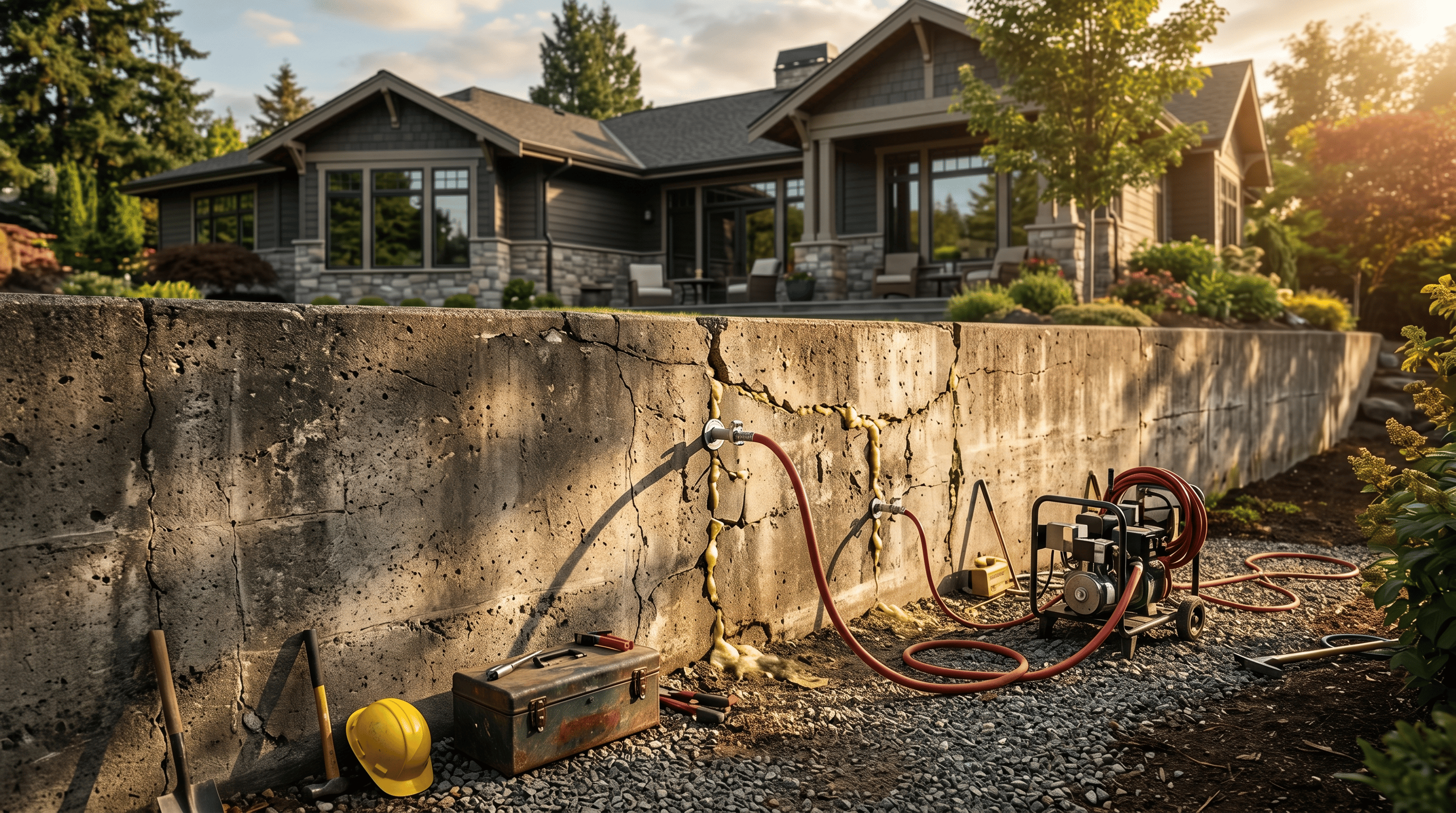
Introduction
Ask any homeowner what they'd renovate first, and chances are they'll say the kitchen or the bathroom. That makes sense — those are the spaces we live in every day, and a fresh backsplash or a rain shower head delivers real satisfaction. But here's what most people miss when thinking about home renovation value: what's happening beneath those beautiful tile floors and behind those freshly painted walls matters far more than the finishes themselves. As a general contractor specializing in structural repair in the Fraser Valley, the team at Black Birch Contracting has seen firsthand what happens when homeowners invest in visible upgrades while ignoring the bones of their home. The concrete repair ROI alone can outperform many cosmetic improvements, and understanding why is the first step toward making smarter renovation decisions.
We get it — nobody posts their newly waterproofed foundation on social media. There's an undeniable emotional pull toward cosmetic upgrades, and we'd never argue that a gorgeous kitchen doesn't matter. But structural integrity repairs are the kind of investment that protects everything else you put into your home. According to Investopedia, some of the most impactful renovations for property value aren't always the flashiest — they're the ones that address a home's core functionality and long-term durability. A crumbling foundation or deteriorating concrete doesn't just lower your home's value; it actively undermines every dollar you spend on finishes upstairs.
That's the argument we'll be making throughout this blog: what adds the most home improvement ROI isn't always what looks prettiest. Concrete restoration, foundation repair value, and getting your renovation priorities in the right order can mean the difference between a home that holds its value and one that slowly loses it. Renovation return on investment depends heavily on what gets done first. When you start with the structure, everything that follows — from hardwood floors to high-end appliances — sits on a solid, lasting foundation. As a general contractor for structural repairs, Black Birch Contracting is here to walk you through exactly why starting from the ground up is the smartest move you can make.
Why Structural Health Is the Foundation of Every Smart Renovation
When you're dreaming about a home renovation, it's tempting to jump straight to the fun stuff — new countertops, open-concept layouts, sleek bathrooms. But the smartest investment you can make in your home renovation value starts beneath the surface. A skilled general contractor for structural repairs will tell you that structural integrity repairs are the true starting point of any successful project. These repairs cover everything from cracked foundations and deteriorating concrete slabs to compromised load-bearing walls and aging support beams. Without addressing these issues first, even the most gorgeous renovation is living on borrowed time.
Here's a scenario that plays out more often than you'd think: a homeowner invests tens of thousands of dollars into a stunning kitchen remodel, only to discover months later that the foundation underneath is failing. Suddenly, those beautiful floors are cracking, cabinets are shifting, and the renovation return on investment has evaporated. Should you fix structural issues before renovating? Yes, every single time. Skipping this step is one of the most costly mistakes homeowners make, because remediation after the fact often means tearing out finished work. As Family Handyman notes, older homes especially can hide serious structural surprises that need to be uncovered before any cosmetic upgrades begin.
In the Fraser Valley, these concerns are amplified by unique regional conditions. Structural repair in the Fraser Valley means contending with clay-heavy soils that shift seasonally, freeze-thaw cycles that exploit every hairline crack in concrete, and persistent moisture levels that accelerate deterioration from the inside out. Concrete restoration in this climate isn't optional — it's preventive maintenance that protects your home improvement ROI for decades. The concrete repair ROI here is especially strong because addressing problems early prevents the kind of cascading damage our weather is known to cause.
It's also worth remembering that lenders, buyers, and home inspectors all zero in on structural condition during a sale. A home with documented foundation repair value signals responsible ownership. Undetected damage, on the other hand, silently erodes your property's worth and creates real safety hazards. Getting your home renovation priorities right means starting from the ground up — literally. When the bones of your home are sound, every dollar you spend on upgrades works harder and lasts longer.
The Real ROI of Concrete and Structural Repairs
When homeowners think about home renovation value, they tend to picture new kitchens, updated bathrooms, or fresh landscaping. But here's something most people overlook: none of those upgrades hold their value if the structure underneath them is compromised. Concrete repair ROI is one of the most practical returns you can earn on a home improvement dollar, especially in the Fraser Valley where freeze-thaw cycles and moisture take a real toll on foundations, slabs, and driveways. Working with a qualified general contractor for structural repairs ensures you're not just patching cosmetic problems but actually protecting the bones of your home. Structural repair in the Fraser Valley isn't glamorous, but it's the kind of work that quietly multiplies the value of every other renovation you do.
Consider the math for a moment. A cosmetic kitchen refresh might recoup 60 to 75 percent of its cost at resale, according to most home improvement ROI data. But if a home inspector flags cracked foundation walls or a deteriorating basement slab, buyers either walk away or negotiate tens of thousands off the asking price. Structural integrity repairs prevent that scenario entirely. Addressing foundation repair value early means your cosmetic upgrades actually get to shine during showings, rather than being overshadowed by red flags in the inspection report. According to HomeAdvisor, basement remodeling costs can vary significantly, but the underlying structural condition of the space is what determines whether that investment pays off or becomes a liability.
Real estate agents and appraisers consistently factor structural condition into their valuations. Visible concrete issues — cracked driveways, spalling garage floors, uneven exterior pathways — send immediate signals to buyers about how well a property has been maintained. Concrete restoration in these high-visibility areas is one of the most cost-effective ways to improve curb appeal and buyer confidence at the same time. The renovation return on investment here isn't just about dollars recovered at closing; it's about avoiding the compounding costs of neglect. A small crack in a basement slab today can become a water intrusion problem next year, turning a modest repair into a major remediation project. Getting your home renovation priorities in order by tackling structural work first is the most grounded, practical approach to protecting your investment long-term.
How to Set Your Renovation Budget Priorities the Right Way
If you've ever stared at a long list of renovation goals alongside a not-so-long budget, you're in good company. Most homeowners face the same dilemma, and a good general contractor will tell you that the key to maximizing home renovation value isn't about spending more — it's about spending smarter. Think of your remodeling budget priorities as a strategic exercise rather than a wish list. Before you pick out backsplash tiles or dream about open-concept kitchens, it pays to step back and assess what your home actually needs, starting from the ground up. Structural repair in the Fraser Valley is one of those investments that might not feel glamorous, but it protects everything else you pour money into.
A practical way to organize your home renovation priorities is to use a three-tier approach. The first tier covers structural integrity repairs and safety concerns — foundation issues, deteriorating concrete, and load-bearing problems. The second tier addresses functional systems like plumbing, electrical, and HVAC. The third tier is where cosmetic upgrades live: new flooring, paint, updated fixtures, and all the finishing touches. As Aviva Canada notes, smart renovation planning means understanding what your home needs before committing dollars to wants. When you follow this sequence, your concrete repair ROI and overall home improvement ROI increase dramatically, because every upgrade sits on a solid, lasting foundation.
One of the biggest traps homeowners fall into is investing in surface-level renovations that mask deeper problems. Fresh drywall over a cracked foundation wall doesn't fix anything — it just hides the issue until it worsens and becomes more expensive to address. This approach destroys your renovation return on investment and can reduce your property's appeal to savvy buyers. In the Fraser Valley, property value increases from renovation efforts are most effective when concrete restoration and foundation repair value are addressed first.
Here's a practical tip before you finalize any renovation plan: get a professional structural assessment. A qualified general contractor for structural repairs can help you sequence projects wisely, identifying what needs immediate attention and what can wait. This upfront step saves you from costly surprises mid-renovation and ensures every dollar you spend is building on something solid. When you prioritize structure first, the cosmetic upgrades you add later will look better, last longer, and deliver the home renovation value you're working toward.
Common Structural and Concrete Issues Fraser Valley Homeowners Face
Living in the Fraser Valley means dealing with a unique combination of environmental factors that can take a serious toll on your home's foundation and concrete. Structural repair Fraser Valley homeowners frequently need includes foundation settling and cracking, concrete slab heaving, deteriorating retaining walls, and crumbling basement walls — all of which directly affect home renovation value and long-term safety. The region's clay-heavy soils expand and contract with moisture changes, creating constant pressure on concrete structures. Heavy seasonal rainfall saturates the ground, while frost cycles push and pull at slabs and footings in ways that gradually compromise structural integrity. As the Government of Canada's Adaptation Action Plan outlines, climate-related risks to infrastructure are only expected to intensify across the country, making concrete restoration a proactive priority rather than something to defer until visible damage appears.
Knowing what to watch for can save you thousands of dollars and considerable stress. Early warning signs of structural trouble include doors and windows that suddenly stick or won't close properly, diagonal cracks running from the corners of window and door frames, floors that feel uneven or sloped, and water intrusion in your basement or crawl space. These symptoms often point to foundation movement or concrete deterioration happening beneath the surface. Catching these issues early dramatically changes the renovation return on investment equation — a modest repair today can prevent a major structural overhaul tomorrow, preserving both your home improvement ROI and your peace of mind.
Older homes in Chilliwack, Abbotsford, and surrounding communities deserve special attention. Many were built with concrete mixes and construction methods that don't meet modern standards, and decades of exposure to Fraser Valley weather have pushed that aging concrete past its limits. If your home was built before the 1990s, a professional assessment of your foundation and retaining walls is well worth the investment. Structural integrity repairs and foundation repair value are areas where professional expertise matters enormously — this is not a DIY project. Improperly executed concrete work can mask deeper problems or create new ones, turning a straightforward fix into a costly renovation. Working with experienced professionals ensures the concrete repair ROI is maximized and your home renovation priorities are addressed in the right order, protecting your biggest investment for years to come.
What Cosmetic Renovations Actually Perform Better When Structure Is Sound
Here's something most homeowners don't consider until it's too late: your home renovation value is directly tied to what's happening beneath the surface. A gorgeous kitchen remodel or brand-new bathroom tile loses its appeal fast when it's sitting on an unstable foundation. Structural repair in the Fraser Valley isn't just about fixing what's broken — it's about creating the stable platform that makes every other renovation dollar work harder. When you look at the concrete repair ROI alongside the cost of cosmetic upgrades, the math becomes clear. A good general contractor will tell you that sequencing matters, and completing structural integrity repairs first is the smartest move you can make before picking out countertops or flooring.
Consider what happens when cosmetic renovations go in over unresolved structural problems. Tile installed on a heaving concrete slab will crack within months as the slab continues to shift. Fresh drywall and paint over a settling wall will develop the same hairline cracks you just covered up, sometimes before the rest of the project is even finished. New hardwood flooring warps and gaps when the subfloor beneath it moves with a compromised foundation. These aren't hypothetical scenarios — they're the kinds of calls concrete restoration professionals receive regularly from frustrated homeowners who spent thousands on upgrades that failed prematurely. According to HomeAdvisor's 2025 renovation data, whole-home remodels can easily run into the tens of thousands of dollars, making it all the more important to protect that investment with a sound structure underneath.
Buyers and home inspectors are also remarkably good at spotting cosmetic patches that are masking deeper issues. Fresh paint over recurring cracks, new tile laid over an uneven slab, baseboards hiding gaps from settlement — these red flags undermine trust and can significantly reduce your sale price. The renovation return on investment you were hoping for disappears when a buyer's inspector flags foundation concerns. This is why foundation repair value acts as a multiplier for every other renovation investment you make. When home improvement ROI is your end goal, a property value increase through renovation is only achievable when you start with a solid foundation — literally and figuratively. Get the structure right first, and every cosmetic dollar you spend after that works exactly the way it should.
Choosing the Right Contractor to Lead Your Structural and Renovation Work
When structural repair Fraser Valley projects are part of your renovation plan, choosing the right general contractor isn't just important — it's everything. The stakes are higher than a typical kitchen facelift or bathroom update because structural integrity repairs directly affect the safety and longevity of your home. A misstep at the foundation level can ripple through every phase of the project, turning what should have been a smart investment into a costly do-over. That's why home renovation value starts with the team you trust to do the work, especially when concrete restoration or foundation issues are involved.
So what should homeowners actually look for? Start with the basics: proper licensing, insurance, and a track record of handling structural concrete repair — not just cosmetic renovations. There's a real difference between a contractor who can hang drywall and one who understands load-bearing walls, deteriorating foundations, and the unique soil and moisture conditions of the Fraser Valley. Ask pointed questions: "Have you handled foundation issues in this region?" and "Can you manage both structural and finishing work under one scope?" According to CNBC, vetting your contractor's experience and ensuring they can coordinate complex builds is one of the most important steps homeowners can take before breaking ground. A general contractor for structural repairs should be able to walk you through their process with confidence and clarity.
This is where Black Birch Contracting stands apart. We bring integrated expertise spanning structural damage repair and concrete restoration through to finished renovation work, so homeowners don't need to juggle multiple specialists or worry about miscommunication between trades. When your home renovation priorities include both fixing what's underneath and making everything above it look great, having one experienced team manage the full picture improves concrete repair ROI and protects your renovation return on investment. The National Association of Realtors consistently highlights that projects delivering the best home improvement ROI are those done properly from the start.
At the end of the day, hiring the right team isn't just about protecting your budget — it's about peace of mind. Knowing that your foundation repair value was handled correctly, that the structural work was done to code, and that every finish reflects quality craftsmanship — that confidence is itself a form of home renovation value. When the work is done right the first time, you get to simply enjoy your home.
Frequently Asked Questions
Should I fix structural issues before renovating my home?
Yes, addressing structural issues before any cosmetic renovations is always the right call. If you invest in a kitchen remodel or bathroom upgrade without first ensuring the foundation and structure are sound, you risk cracking floors, shifting cabinets, and wasted money when the underlying problems eventually surface. Repairing finished work after the fact is almost always more expensive than getting the sequence right from the start.
What structural repairs add the most value to a home?
Foundation repair and concrete restoration consistently offer strong returns because they protect everything else in and on your home. In the Fraser Valley specifically, addressing moisture damage, concrete deterioration, and foundation settling early prevents the kind of cascading damage that our climate is known to cause. Documented structural repairs also signal responsible ownership to buyers, lenders, and inspectors, which can meaningfully support your asking price.
How does the climate in the Fraser Valley affect my home's structure?
The Fraser Valley presents a particularly demanding environment for home structures. Clay-heavy soils shift seasonally, freeze-thaw cycles exploit even small cracks in concrete, and persistent moisture accelerates deterioration from the inside out. These regional conditions make structural maintenance and concrete restoration not just a smart investment, but an essential part of protecting your home long-term.
Does foundation repair actually improve my home's resale value?
It does, often more than homeowners expect. A home with documented foundation repair demonstrates that structural issues were caught and properly resolved, which builds confidence with buyers and inspectors alike. On the flip side, undetected or unaddressed foundation problems can quietly erode your property's value and create real safety concerns that derail a sale entirely.
Why do cosmetic renovations sometimes fail to deliver a good return on investment?
Cosmetic upgrades like new countertops, flooring, or appliances lose their impact quickly when the structure beneath them is compromised. Cracks, moisture intrusion, or foundation movement can damage finished work within months, effectively cancelling out the money spent. When renovation priorities are set in the right order — structure first, aesthetics second — every cosmetic dollar you spend sits on a stable base and holds its value far longer.
How do I know if my home needs structural repairs before I renovate?
Common warning signs include visible cracks in your foundation or concrete slabs, doors or windows that stick or no longer close properly, uneven floors, and signs of moisture intrusion in your basement or crawlspace. Older homes in particular can hide serious structural issues that aren't obvious to the untrained eye. Having a qualified general contractor assess your home before renovation planning begins is the most reliable way to know what you're working with.
Understanding where to put your renovation dollars first can make the difference between a home that grows in value and one that quietly loses it. If you're planning a project in the Fraser Valley and want to make sure your investment is built on solid ground, Black Birch Contracting is ready to help you get the sequence right from the very beginning.