Introduction
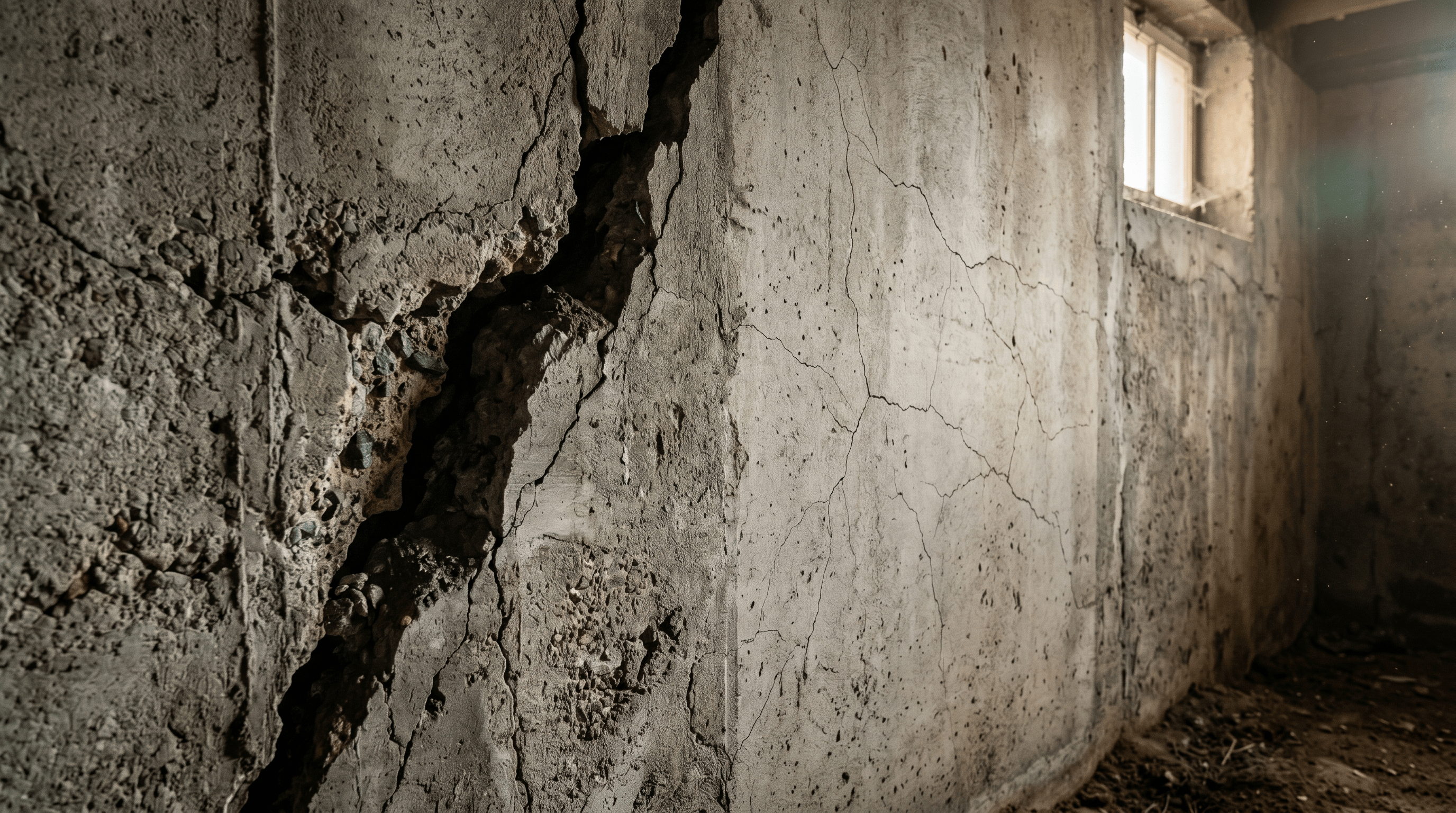
Few things stop a homeowner in their tracks quite like spotting a new crack running through their foundation wall or basement floor. Your mind immediately races to worst-case scenarios — is the house settling? Is this going to cost thousands to fix? When it comes to structural cracks vs non-structural cracks, understanding the difference can save you from unnecessary panic or, just as importantly, from ignoring a problem that truly needs structural crack repair. A concrete crack assessment in Chilliwack or anywhere in the Fraser Valley starts with knowing what you're actually looking at, and that's exactly what this article will help you understand.
Here's the reassuring truth: not all cracks are created equal. Some are little more than cosmetic blemishes — hairline cracks in concrete that develop naturally as the material cures and settles over time. Others can signal genuine structural concerns that demand professional attention. ArchDaily notes that cracking is one of the most frequent pathologies observed in concrete structures, and its causes range from temperature changes and shrinkage to more serious issues like overloading or foundation movement. Learning to distinguish between foundation crack types is the first step toward making informed, confident decisions about your home.
For homeowners dealing with foundation cracks in the Fraser Valley, regional conditions add another layer to the equation. Our area's heavy rainfall, clay-rich soils, and seasonal freeze-thaw cycles all create unique stresses on concrete foundations that homeowners in drier climates simply don't face. These factors make concrete crack identification especially important for local property owners who want to protect their investment over the long term.
In this guide, we'll walk you through the key differences between non-structural cracks and those that warrant real concern, the common causes behind each type, the warning signs that tell you when to worry about foundation cracks, and when it's time to call in a professional for options like epoxy injection crack repair or more involved restoration work. Whether you've just noticed your first hairline fracture or you're staring at something that looks more serious, we've got you covered.
How Concrete Cracks in the First Place
Here's something that surprises a lot of homeowners: concrete is incredibly strong under compression, but it's actually quite weak under tension. That means cracking isn't necessarily a sign that something went terribly wrong — in many cases, it's simply what concrete does. Of course, understanding the difference between structural cracks vs non-structural cracks matters a great deal when you're trying to figure out whether your home needs attention. A proper concrete crack assessment in Chilliwack starts with knowing why these cracks form in the first place, so let's walk through the most common concrete crack causes and what they mean for your foundation.
Shrinkage cracks in concrete are by far the most common foundation crack types you'll encounter. As concrete cures, it loses moisture and contracts slightly, producing tiny hairline cracks that typically appear within the first few years after a pour. These are usually non-structural cracks and don't pose an immediate threat to your home's integrity, but they can become pathways for water intrusion over time if left unaddressed. For Construction Pros explains that evaluating these cracks properly involves looking at their width, direction, and whether they're still actively growing.
Beyond shrinkage, thermal expansion and contraction put repeated stress on concrete as temperatures swing from season to season. Hydrostatic pressure from groundwater pushing against basement walls is another major contributor to concrete deterioration, particularly in areas with high water tables. Settlement cracks, though, are a different animal entirely. When the soil beneath your foundation shifts, compresses unevenly, or washes away, the concrete above it moves too — and concrete doesn't bend. This Old House notes that diagonal cracks running from the corners of windows or doors often signal differential settlement, which is precisely when to worry about foundation cracks and consider structural crack repair.
Here in the Fraser Valley, clay-heavy soils expand when they absorb seasonal moisture and shrink as they dry out, creating a cycle of movement that's particularly hard on foundations. Add in our freeze-thaw cycles — where water trapped in small cracks expands as it freezes — and you've got conditions that accelerate concrete deterioration year after year. If you're noticing foundation cracks in the Fraser Valley, these local factors are very likely playing a role. For a deeper look at how winter weather specifically damages concrete, see our article on concrete crack causes and permanent repair. Catching cracks early — before small issues become large ones — can save you from costly repairs down the road, whether the fix involves epoxy injection crack repair or something more involved.
Identifying Non-Structural Cracks
Not every crack in your concrete is cause for alarm. Non-structural cracks are essentially cosmetic damage — they affect the surface appearance of your concrete but don't compromise the integrity of the structure itself. Understanding the difference between structural cracks vs non-structural cracks is one of the most valuable things a homeowner can learn, especially when dealing with foundation cracks in the Fraser Valley, where our wet climate and seasonal temperature swings put concrete under constant stress. If you've noticed thin lines appearing on your basement walls, garage slab, or foundation, knowing what to look for during a concrete crack assessment in Chilliwack can save you both worry and money.
Hairline cracks in concrete are among the most common types you'll encounter. These fine lines — typically under 0.3mm wide — often appear within the first few weeks or months after concrete is poured, forming as part of the natural curing process. As the water in the concrete mix evaporates, the material contracts slightly, and these tiny shrinkage cracks develop near the surface. Angi notes that small, hairline cracks in poured concrete foundations are quite common and generally don't indicate a structural problem. They tend to show up on flat surfaces like slabs, along form lines on foundation walls, and in areas where the concrete dried unevenly. Because they're shallow, they rarely signal anything beyond normal material behavior.
It's also worth familiarizing yourself with other common non-structural patterns. Map cracking and crazing create a web-like network of fine lines across the concrete surface — almost like a dried riverbed — caused by surface-level shrinkage rather than any deeper issue. Shallow horizontal or diagonal surface cracks can also fall into the non-structural category, depending on their depth, location, and surrounding context. Concrete crack identification always comes down to evaluating multiple factors: width, depth, location, and pattern all matter. Crack width measurement is one of your most important assessment tools, and that 0.3mm threshold for hairline cracks gives you a useful starting point for distinguishing minor cosmetic issues from foundation crack types that may need structural crack repair.
That said, even non-structural cracks deserve some attention. While they won't threaten the stability of your home, they can allow moisture infiltration over time, leading to dampness, efflorescence, or even mold growth in enclosed spaces. Options like epoxy injection crack repair can seal these openings effectively, keeping water out and preventing small problems from becoming bigger ones. The takeaway is simple: don't panic, but don't ignore them either.
Recognizing the Signs of Structural Cracks
Understanding the difference between structural cracks vs non-structural cracks is one of the most important skills a homeowner can develop. A structural crack is any fracture that affects the load-bearing capacity or stability of a foundation or concrete element, and it needs prompt structural crack repair before the problem worsens. Not every crack spells disaster, of course. Hairline cracks in concrete are common and often harmless, typically caused by normal curing or minor shrinkage. Certain patterns and characteristics, though, tell a very different story. Knowing what to look for can save you from costly surprises down the road. If you've noticed foundation cracks in the Fraser Valley, paying close attention to the type and behavior of those cracks is your first step toward peace of mind.
When it comes to concrete crack identification, several visual red flags point toward serious structural damage. Horizontal cracks along foundation walls often indicate lateral soil pressure pushing inward, while diagonal cracks radiating from corners suggest differential settling beneath the footing. Stair-step cracks running through mortar joints in block or brick are another classic warning sign of foundation movement. Any crack wider than 6mm deserves immediate attention, and cracks with displacement — where one side sits noticeably higher than the other — are among the most concerning foundation crack types you can encounter. These patterns go beyond cosmetic issues and suggest that the structure itself is shifting in ways it was never designed to handle.
It's also worth noting that structural damage often reveals itself far from the crack itself. House Beautiful notes that sticking doors, windows that no longer close properly, uneven floors, and bowing walls can all be symptoms of deeper foundation issues working their way through the structure. These secondary signs are easy to dismiss individually, but when they appear alongside foundation wall cracks, the picture becomes much clearer. Another important distinction is whether a crack is active or dormant. Active cracks are still growing — often changing width with the seasons — and they signal ongoing movement that needs to be addressed before options like epoxy injection crack repair can be considered effective.
So how do you tell if a crack is structural or not? When to worry about foundation cracks really comes down to pattern, size, and behavior. A single hairline crack that hasn't changed in years is far less alarming than a widening diagonal fracture accompanied by a sloping floor. Any concrete crack assessment in Chilliwack involving horizontal displacement, active growth, or multiple converging warning signs should include a professional evaluation. Catching these issues early — before they escalate — gives you far more repair options and keeps costs manageable.
How Professionals Assess and Monitor Foundation Cracks
When it comes to distinguishing structural cracks vs non-structural cracks, professionals follow a systematic concrete crack assessment process that goes far beyond a quick glance. In Chilliwack, experienced contractors begin with a thorough visual inspection, examining every crack's location, direction, and pattern to build an initial picture of what's happening beneath the surface. From there, they use crack width measurement tools — often precision gauges calibrated to fractions of a millimeter — to document exactly how wide each opening is. Depth probing follows, where specialized instruments determine how far a crack extends into the concrete. This helps differentiate hairline cracks in concrete from deeper fractures that may compromise the structure's integrity. This layered approach to concrete crack assessment in Chilliwack ensures nothing gets overlooked and every finding is grounded in data rather than guesswork.
Once the initial assessment is complete, crack monitoring becomes essential for understanding whether a problem is getting worse. Professionals install crack gauges or tell-tales — simple devices placed across a crack that reveal even tiny movements over time — and combine these with photographic documentation taken at regular intervals. This monitoring phase answers one of the most common homeowner questions: when to worry about foundation cracks. If a crack is active and continuing to grow, it needs prompt structural crack repair. If it's dormant and stable, a less invasive solution like epoxy injection crack repair may be all that's needed. Houzz forums are filled with homeowners debating whether their cracks reflect normal settling or something more serious — which is exactly why professional monitoring removes the uncertainty.
Understanding foundation crack types also means reading their patterns like a map. Horizontal cracks along a basement wall often point to lateral soil pressure pushing inward, while diagonal cracks running from the corners of windows or doors typically suggest differential settlement. Yahoo Lifestyle notes that the location and direction of cracks are among the most reliable indicators of whether a problem is cosmetic or structural. For homeowners dealing with foundation cracks in the Fraser Valley, these patterns matter even more because the region's expansive clay soils and high moisture levels create conditions that actively stress foundations year-round.
This is exactly why DIY concrete crack identification can be so risky. Treating a structural crack as a simple cosmetic issue — filling it with caulk and painting over it — allows the underlying problem to worsen silently until repairs become far more extensive and expensive. Foundation cracks in the Fraser Valley deserve professional eyes because the soil conditions here are uniquely demanding. What looks like a minor hairline crack today could signal a shifting foundation that needs intervention before it escalates.
Repair Options for Structural and Non-Structural Cracks
Understanding structural cracks vs non-structural cracks is the single most important step before choosing a repair approach. A concrete crack assessment in Chilliwack might reveal anything from harmless hairline cracks in concrete to deep fractures that signal active foundation movement. Structural crack repair requires a completely different set of tools and techniques than cosmetic fixes, and choosing the wrong method can leave you worse off than doing nothing at all. That's why proper concrete crack identification matters so much — it determines everything that follows.
For non-structural cracks, repairs tend to be straightforward. Polyurethane sealants work well for sealing out moisture in cracks that aren't actively moving, while surface patching and concrete restoration can address spalling, pitting, and other cosmetic damage that makes concrete look worn. These fixes are effective at keeping water from migrating into the slab and accelerating concrete deterioration, but they aren't designed to carry any load. If you're dealing with foundation cracks in the Fraser Valley that show signs of displacement or widening, a cosmetic patch simply won't be sufficient. Angi notes that cracks wider than a quarter inch, or those showing stair-step patterns, horizontal displacement, or ongoing growth, generally indicate a structural concern that needs professional evaluation.
When a crack is confirmed as structural, epoxy injection crack repair is often the go-to solution. The process involves injecting a high-strength epoxy resin deep into the crack under pressure, essentially bonding the concrete back together and restoring its original tensile strength. It's appropriate for cracks in load-bearing walls, foundation footings, and structural slabs where the underlying cause of movement has already been addressed. For more complex situations, other methods come into play. Carbon fiber straps can stabilize bowing basement walls, underpinning corrects settlement issues at the footing level, and hydraulic cement handles active water intrusion where leaks need to be stopped before further repair work can proceed. Knowing when to worry about foundation cracks — and which foundation crack types require which approach — is something that demands hands-on expertise.
Structural crack repair is genuinely not a DIY job. Improper repairs can mask ongoing damage, create a false sense of security, and fail under load. Once cracks are properly repaired, concrete restoration work addresses long-term durability by protecting the repaired area from the elements. Our Fraser Valley climate puts repaired concrete right back into harsh conditions. For that reason, understanding concrete crack causes and permanent repair strategies — especially those tied to freeze-thaw cycling — is essential for ensuring your investment holds up for years to come.
Frequently Asked Questions
What is the difference between a structural crack and a non-structural crack in a foundation?
A structural crack affects the integrity of your foundation and can compromise the stability of your home, often caused by differential settlement, soil movement, or significant hydrostatic pressure. A non-structural crack, by contrast, is typically a cosmetic issue — like a hairline shrinkage crack that forms as concrete cures — and does not immediately threaten your home's stability. That said, even non-structural cracks can allow water to penetrate over time, so neither type should be ignored indefinitely.
Are hairline cracks in a concrete foundation normal?
Yes, hairline cracks in concrete are extremely common and often form naturally as the material loses moisture and contracts during the curing process. These shrinkage cracks usually appear within the first few years after a pour and are generally considered non-structural. That said, they can become entry points for water — especially in climates like the Fraser Valley where heavy rainfall and freeze-thaw cycles are common — so monitoring them over time is a good idea.
How do I know when a foundation crack is serious enough to worry about?
There are a few key warning signs that a crack deserves professional attention: diagonal cracks running from the corners of windows or doors, cracks that are actively growing wider or longer, horizontal cracks in basement walls, or any cracking accompanied by bowing, shifting, or water intrusion. Differential settlement — where one part of a foundation moves independently from another — is a particularly important red flag. If you're unsure, a professional concrete crack assessment is the safest way to get an accurate picture.
What causes foundation cracks in the Fraser Valley specifically?
Fraser Valley homeowners face a combination of factors that put extra stress on concrete foundations compared to drier climates. Clay-rich soils in the region expand when they absorb seasonal moisture and shrink as they dry out, creating a cycle of movement beneath the foundation. Heavy rainfall increases hydrostatic pressure against basement walls, and freeze-thaw cycles cause water trapped in small cracks to expand as it freezes, gradually widening those cracks over time.
What is epoxy injection crack repair and when is it used?
Epoxy injection crack repair is a method used to fill and bond concrete cracks from the inside, restoring structural integrity and sealing out moisture. It's typically used on cracks that are stable — meaning they're no longer actively growing — and works well for non-structural or minor structural cracks where the underlying cause has already been addressed. It's not the right solution for every situation, which is why a proper assessment of the crack type and cause should always come first.
Can I tell what type of crack I have just by looking at it?
Visual inspection gives you a useful starting point — the direction, width, and location of a crack all provide clues about its origin and severity. Vertical hairline cracks often point to normal shrinkage, diagonal cracks near corners can suggest settlement, and horizontal cracks may indicate lateral pressure on a wall. Accurately distinguishing between foundation crack types and determining the right course of action does require a trained eye, though, since the same crack pattern can have different causes and implications depending on your specific site conditions.
Knowing the difference between structural and non-structural cracks is one of the most practical things a homeowner can do to protect their property — particularly in the Fraser Valley, where soil movement, heavy rain, and seasonal freezing all take a toll on concrete over time. If you've spotted something that's giving you pause, Black Birch Contracting is here to take a look, give you an honest assessment, and help you figure out the best path forward.