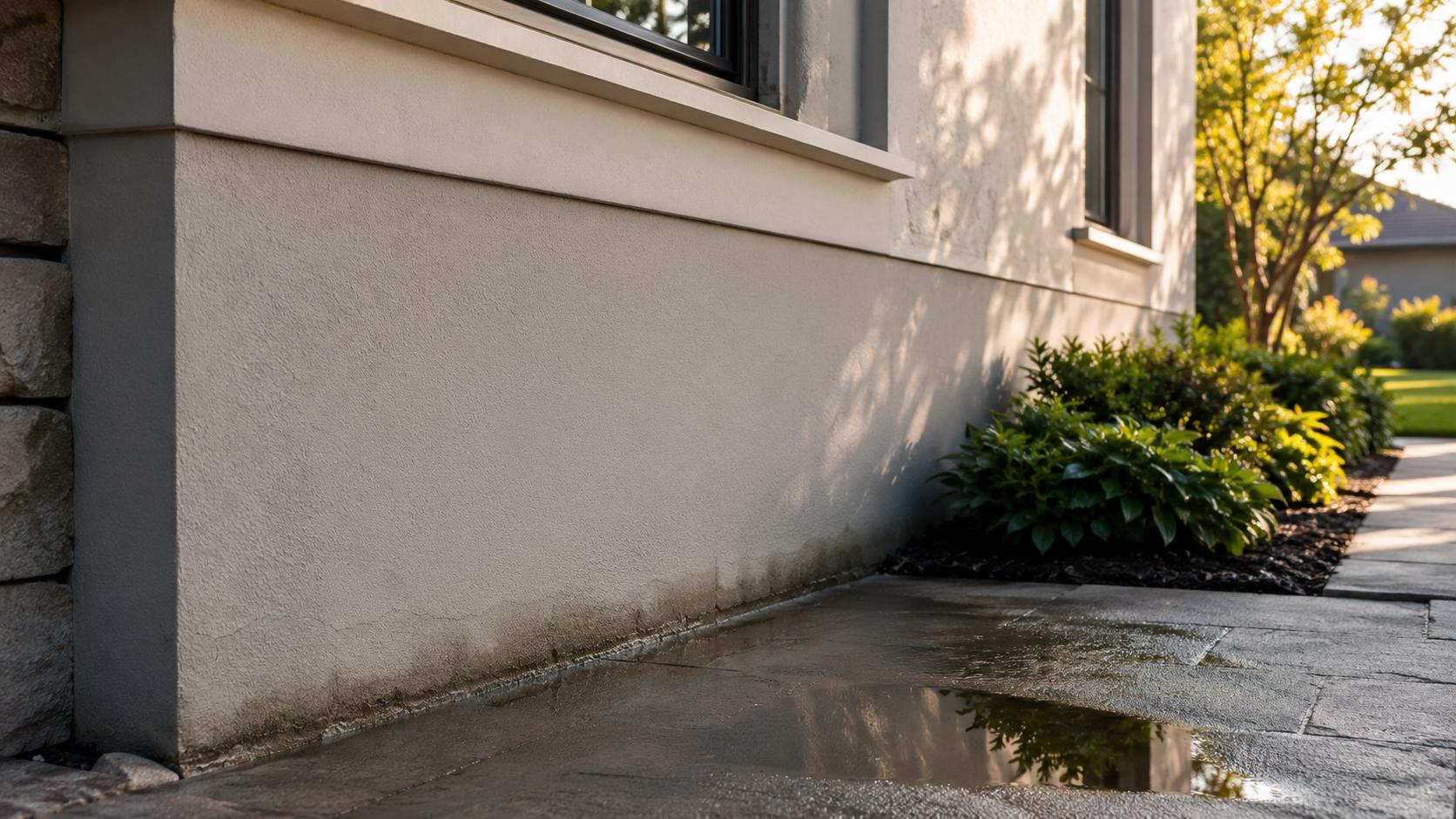
A freshly painted wall or a smooth concrete surface can look like a solved problem. Looks can be genuinely deceiving, though. The difference between cosmetic repair and structural repair isn't always obvious at first glance. Hidden structural damage lurks beneath countless "finished" projects, and for homeowners across the Fraser Valley, unresolved damage after repairs is one of the most common and costly mistakes in concrete work. That skim coat might look clean today, but what's happening underneath could be quietly getting worse with every passing season.
Why the Difference Between Surface Fixes and Real Fixes Matters So Much
Here's the core tension every homeowner needs to understand: a surface repair and a root cause repair are two very different things. Painting over structural issues, caulking that hides damage beneath a tidy bead of sealant, or patching concrete problems with a quick layer of filler might check a visual box, but none of these approaches address what's actually failing. When you're dealing with concrete repair in the Fraser Valley, where older homes meet a moisture-heavy climate and relentless freeze-thaw cycles, a cosmetic patch is essentially a ticking clock. Water finds its way into every crack that hasn't been properly treated, and once it freezes, it expands, pushing that crack wider. What starts as a hairline fracture can become serious spall repair concrete work within just a few seasons.
What This Post Will Help You See
This post is here to help you understand what's really going on behind a "completed" repair. We'll walk through the signs that a previous fix was surface-level rather than structural, the risks of leaving those issues in place, and how to tell the difference between quality restoration and a cover-up. Whether you're evaluating work done by a previous owner, a past contractor, or even yourself, knowing how to spot the gap between cosmetic repair vs structural repair can save you thousands of dollars and a lot of stress.
At Black Birch Contracting, we specialize in concrete restoration and structural repair. We see the aftermath of cosmetic shortcuts regularly, and a professional eye can spot the difference between a real fix and a pretty one almost immediately. Our goal is to give you some of that same perspective so you can make informed decisions about your home. This matters especially here in the Fraser Valley, where conditions are genuinely unforgiving of half-measures.
What It Really Means When a Repair Looks "Done"
There's something genuinely satisfying about a smooth, clean surface. When a crack disappears under fresh filler and a coat of paint, it feels like the problem is solved. But the difference between cosmetic repair vs structural repair is bigger than most homeowners realize, and hidden structural damage has a way of resurfacing at the worst possible time. For anyone searching for reliable concrete repair Fraser Valley, understanding this distinction can save you thousands. Unresolved damage after repairs is more common than you'd think, and it almost always starts with a fix that simply looked "done."
The Bandage on an Infected Wound
Think of it this way: if you had an infected cut, covering it with a clean bandage might make it look better, but it wouldn't stop the infection from spreading underneath. That's exactly what happens when contractors skim coat over damage, patch concrete problems at the surface, or caulk over cracks without investigating what caused them. The visible symptom gets addressed, but the root cause, whether it's water infiltration, foundation movement, or rebar corrosion, keeps doing its work out of sight. Painting over structural issues creates the same illusion. Everything looks fine on day one, but six months later the cracks come back, the spalling returns, and you're paying for the same repair twice.
Why Surface Fixes Are So Common
It's worth understanding why contractors sometimes default to these approaches. Surface-level fixes are faster, cheaper, and visually satisfying in the short term. They make everyone feel good about the result and close out a job quickly. But the question of surface repair vs root cause is one every homeowner should be asking before signing off on completed work. A truly complete repair, whether it's spall repair on concrete or structural crack remediation, means identifying why the damage occurred and addressing that origin point, not just what's visible on the surface.
What a Complete Repair Actually Looks Like
The signs of an incomplete repair are often invisible until the damage comes back. A genuinely thorough repair means assessing the underlying conditions, properly preparing the damaged area, and choosing materials suited to the specific problem. It might not look dramatically different from a cosmetic patch on day one, but the difference shows up over years of performance. Before work begins, ask any contractor whether a proposed repair is cosmetic or structural. The answer tells you a lot about whether you're investing in a lasting fix or just buying time.
Common Cover-Up Techniques That Mask Real Damage
Not every repair is what it seems. Some of the most common fixes applied to homes and concrete structures are little more than cosmetic cover-ups. Knowing the difference between cosmetic repair and structural repair matters a great deal for any homeowner, particularly in the Fraser Valley, where weather and soil conditions put constant stress on foundations and flatwork. Hidden structural damage and unresolved damage after repairs are more common than most people expect, and they usually trace back to one of these techniques.
Patching Concrete Problems
A quick concrete patch can fill a crack or hole and make things look fine on the surface. But patching concrete problems without investigating the cause is like putting a bandage on a broken bone. If the underlying issue is soil movement, erosion, or sub-base failure, that patch will crack again, sometimes worse than before. That's the real distinction between surface repair and root cause repair. The patch fills the void visually, but it does nothing to stabilize what's happening underneath.
Skim Coating Over Damage
Skim coating over damage is probably the most visually convincing cover-up out there. A thin layer of fresh material can make spalled, pitted, or cracked concrete look completely new. The problem is that once moisture and freeze-thaw cycles return, that thin layer delaminates and peels away, often taking more of the original surface with it. Without proper surface preparation and bonding, skim coats are purely cosmetic and they don't last.
Caulking Hiding Damage
Caulking hiding damage is incredibly common around foundations, joints, and masonry walls. Caulk has legitimate uses, no question, but applying it over active cracks or failing control joints just delays water intrusion rather than stopping it. Water finds its way behind the caulk, and the damage keeps progressing where you can't see it. As outlined in B.C.'s concrete repair guidelines, understanding how a crack is actually behaving is something you need to sort out before you reach for any sealant.
Painting Over Structural Issues and Failed Spall Repairs
Painting over structural issues is probably the thinnest deception of all. A fresh coat of paint can mask moisture stains, hairline cracks, and even early signs of spalling on masonry. Incorrectly done spall repair concrete, where surface patching ignores underlying delamination or rebar corrosion, just creates a ticking clock. These aren't always the wrong techniques in isolation, but they should never substitute for fixing the actual problem. Context matters. If you've noticed signs of temporary patches and band-aid repairs on your property, it's worth getting a professional in to take a look.
Why Hidden Structural Damage Is So Dangerous Over Time
The difference between cosmetic repair and structural repair can mean thousands of dollars and years of compounding problems. Hidden structural damage doesn't announce itself. It grows quietly behind finished surfaces, and unresolved damage after repairs is one of the most common reasons small issues turn into major failures. Whether someone is skim coating over damage or patching concrete without addressing the root cause, the result is the same: the real issue keeps getting worse.
Moisture Behind the Surface
One of the most dangerous scenarios is when water intrusion gets painted or caulked over instead of properly repaired. Caulking or painting over damaged areas might make a wall look fine for a season, but behind that fresh surface, moisture keeps doing its work. Mold spreads, wood rots, and structural elements weaken steadily. In the Fraser Valley, high precipitation and freeze-thaw cycling are just part of the climate. Water trapped behind a surface repair will expand and contract repeatedly, cracking concrete and pulling apart the connections that hold structures together. This is exactly why you need an honest picture of what's happening beneath the surface before any repair work starts.
Foundation Problems Don't Wait
A cosmetic fix over a foundation crack might buy a few months of peace of mind, but the settling, shifting, and cracking keep going underneath. Spall repair on concrete that hasn't been properly evaluated can mask deterioration of load-bearing elements, drainage systems, and overall concrete integrity, often without any visible warning signs. As research on aging built environments highlights, deferred structural maintenance creates risks that compound over time. What you can't see is often more important than what you can.
The Real Cost of Covering Things Up
The physical damage is only part of the problem. Hidden structural damage beneath finished surfaces creates real headaches for homeowners and contractors alike. When finished surfaces are concealing active deterioration, you're looking at voided product and workmanship warranties, serious liability exposure during home sales, and ugly disputes when the next contractor pulls back the layers and sees what was left behind. We've seen this play out more times than we'd like. Patching concrete problems without addressing the underlying cause doesn't save money. It just pushes the cost down the road, and that cost grows. Whatever is happening behind the surface is always the real story.
Concrete Repair Done Right vs Done Quickly
If you've ever had concrete repaired only to watch it crack, flake, or crumble again within a year, you're not alone. The gap between cosmetic repair and structural repair is really the gap between solving a problem and hiding it. Across the Fraser Valley, concrete repair projects fail every season because the original work never touched the hidden structural damage sitting beneath the surface. That kind of unresolved damage after repairs is frustrating, expensive, and completely avoidable when the job is approached correctly from the start.
What Legitimate Concrete Repair Fraser Valley Projects Actually Require
Real concrete restoration isn't just about making a surface look better. It starts with a thorough substrate assessment to understand what's happening below what you can see. Surface preparation matters enormously because repair materials won't bond to dirty, loose, or contaminated concrete. Qualified contractors use proper bonding agents matched to the specific repair mortar and the existing concrete. Material matching ensures the repair performs under the same conditions as the original structure, including temperature swings, moisture exposure, and load. Skip any of these steps and you're essentially skim coating over damage and calling it done.
Structural Patching vs a Temporary Fix
A proper structural patch means full-depth removal of all damaged material, not just the loose bits on top. Contractors need to identify and address the moisture paths that caused the deterioration in the first place, then apply repair mortars suited to the specific application. Compare that to spreading a thin layer over a failing substrate with no preparation and no moisture management. That's essentially painting over structural issues rather than fixing them. Understanding what caused the deterioration is a prerequisite to choosing any repair method, not an afterthought.
Why Spalling Concrete Needs More Than a Skim Coat
Spalled concrete is a good example of why slapping on a surface repair and actually solving the problem are two very different things. Delaminated or spalled concrete usually signals rebar corrosion or freeze-thaw damage that runs well beyond what you can see. Applying a skim coat or caulking over the affected area might hide the damage for a season or two, but it won't stop the corrosion from spreading underneath.
Why Does My Concrete Repair Keep Cracking?
In almost every case, the root cause was never addressed. Movement, poor drainage, or sub-base failure will destroy any surface repair no matter how neatly it's applied. A qualified concrete restoration contractor will diagnose the problem before beginning repairs, not the other way around. That's exactly how Black Birch Contracting approaches every project.
How Homeowners Can Spot an Incomplete Repair
You hired a contractor, the work looks great, and everything seems solid. But weeks or months later, cracks reappear, paint starts bubbling, or that white powdery residue is back on your concrete. Knowing whether you received a cosmetic fix or a true structural repair matters a lot for anyone investing in concrete work in the Fraser Valley. Hidden structural damage doesn't always announce itself right away, and unresolved damage after repairs is more common than most homeowners realize. The good news is that you can learn to spot the warning signs before small problems turn into expensive ones.
The Signs That Show Up Over Time
Band-aid repairs and proper repairs often look identical the day the contractor packs up and leaves. It's time and weather that reveal the truth. Watch for cracks returning within weeks or months, caulk pulling away from joints, paint bubbling or peeling, and efflorescence reappearing on concrete surfaces. These are all indicators that someone was patching over problems rather than addressing what caused the damage in the first place. We've seen this firsthand. A freshly coated foundation looks great in October and starts showing the same cracks by February. Skim coating or caulking might buy a season, but the underlying problem will keep pushing its way back to the surface.
Ask the Right Questions Before Work Begins
Before any contractor starts, ask whether they're diagnosing the root cause or just treating the symptom. Understanding the difference between cosmetic repair vs structural repair is the most important distinction you can make when dealing with spall repair and structural restoration work. Find out what's being removed, whether the substrate will be inspected, and whether drainage issues are going to be addressed. A contractor applying a cosmetic fix over a foundation problem isn't solving anything. They're just resetting the clock on the same failure.
Red Flags in Contractor Communication
Watch out for vague scopes of work, zero mention of substrate preparation, and timelines that sound too good to be true for complex problems. A contractor worth hiring will tell you what went wrong, how they plan to fix it, and why their approach actually addresses the root cause rather than the symptom. Ask for documentation, photos of the substrate prep taken during the work, and a written explanation of how that root cause was handled. Those records protect you if problems come back, and they give you real confidence that the repair went deeper than cosmetic. Your home deserves a repair that holds up, not one that just looks clean on day one.
Frequently Asked Questions
What is the difference between a cosmetic repair and a structural repair?
A cosmetic repair addresses the visible appearance of damage, things like filling a crack with surface filler or painting over a problem area, without touching the underlying cause. A structural repair goes deeper. It identifies why the damage occurred and fixes the root issue, whether that's water infiltration, foundation movement, or material deterioration. The two can look identical on day one, but only one of them holds up over time.
How can I tell if a previous concrete repair was cosmetic or structural?
The clearest sign is that the same damage comes back within a few seasons. Surface-level patches don't stop the forces that caused the original problem, so recurring issues are a pretty reliable indicator that root causes were never addressed. Other signs include cracks reappearing in the same spot, new spalling around a patched area, or visible separation between the repair material and the surrounding concrete. If a past contractor finished the job quickly without ever discussing root causes or material selection, that history is worth looking into.
Why is unresolved structural damage such a problem in the Fraser Valley specifically?
The Fraser Valley's moisture-heavy climate and repeated freeze-thaw cycles are genuinely harsh on concrete and building materials. Water gets into any crack that hasn't been properly treated, then freezes, expands, and widens the damage with every cold cycle. A cosmetic patch that might hold for several years in a drier climate can break down within a single winter here, turning what started as a minor repair into a much larger restoration project.
Is skim coating over damaged concrete ever an acceptable repair method?
It can be, in specific situations where the underlying concrete is sound and the surface issue is genuinely superficial. The problem comes when skim coating gets applied over active damage, like spalling caused by rebar corrosion or cracking driven by foundation movement. In those cases, the coating hides the symptom while the real problem keeps developing underneath. This often causes faster and more extensive failure than if the surface had just been left alone.
What questions should I ask a contractor to know whether they are doing a real repair or a cover-up?
Ask them to explain what caused the damage and how their repair actually addresses that cause, not just the visible result. A contractor focused on lasting work will talk about surface preparation, material selection for the specific type of damage, and what to expect over time. If the conversation stays focused only on appearance or how fast they can get it done, with no mention of root causes, the proposed fix is probably more cosmetic than structural.
How much more does a structural repair typically cost compared to a cosmetic one?
Structural repairs do generally cost more upfront. They require more thorough assessment, more preparation, and often specialized materials. But cosmetic repairs that let underlying damage keep going usually mean paying for the same area twice, or more, as the damage worsens and the scope grows. In most cases, the total cost of repeated cosmetic fixes ends up exceeding what it would have cost to address the problem correctly the first time.
Knowing the difference between a surface fix and a real repair is one of the most useful things a homeowner can understand before any concrete or structural work begins. If you have questions about existing damage on your property or want an honest look at what a proper repair actually involves, reach out to Black Birch Contracting and we'll walk you through what we see and what it takes to fix it right.