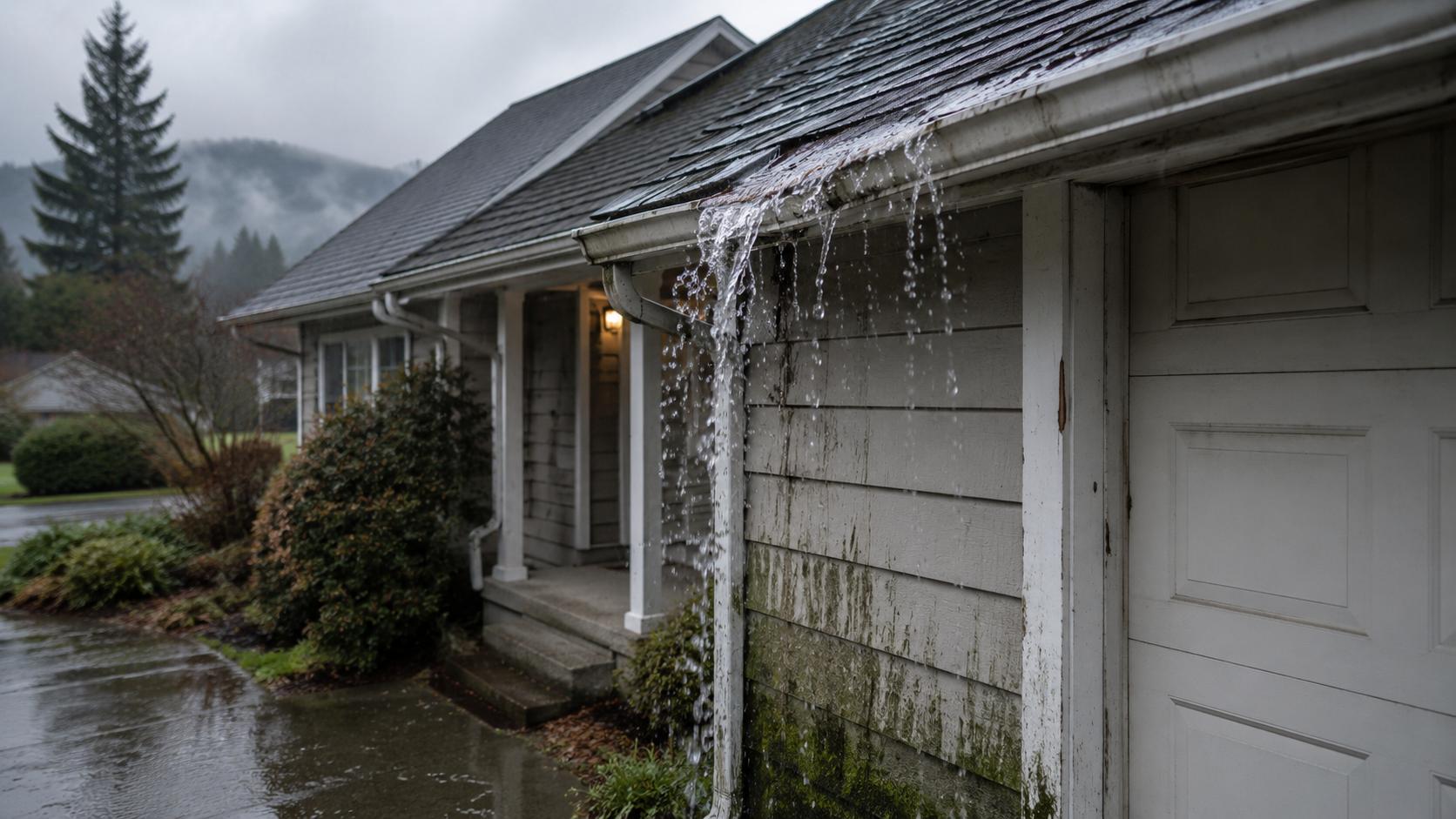
If you live in the Fraser Valley, you already know the rain here is on another level. While parts of BC enjoy relatively dry seasons, the Fraser Valley regularly sees over 1,500 millimeters of annual precipitation, with certain stretches of fall and winter delivering relentless weeks of downpour. That kind of sustained moisture puts enormous pressure on every part of your home, from the soil around your foundation to the surfaces exposed to wind-driven rain. Understanding how Fraser Valley home repairs related to rain differ from what homeowners deal with in drier regions is the first step toward protecting your biggest investment. Wet weather structural repairs in BC require a different mindset, one that accounts for saturated ground, poor drainage, and prolonged moisture exposure that just doesn't let up.
Why Reactive Repairs Are a Costly Gamble
Here's the thing most homeowners learn the hard way: waiting until something breaks always costs more than planning ahead. Rain damage home repairs in the Fraser Valley tend to escalate quickly because water doesn't cause just one problem. It causes a chain reaction. A small crack in your foundation lets moisture in, which leads to heavy rainfall foundation damage, which eventually means crawlspace moisture problems, mold growth, and compromised structural integrity. What could have been a straightforward concrete repair turns into a multi-trade restoration project. Recent highway closures across BC due to flooding are a reminder that our region's weather events are getting worse, and the homes sitting in their path need to be ready.
The Areas That Take the Biggest Hit
Throughout this guide, we'll walk through the key areas where rain does the most damage to Fraser Valley homes. That includes foundations that crack and shift under hydrostatic pressure, drainage solutions for homes that were never designed for this volume of water, siding damage that goes unnoticed until rot sets in, deck repair after seasons of ignored moisture, and concrete repair for driveways, walkways, and retaining walls. Each of these areas has its own vulnerabilities, and each one gets worse when you're not watching for it. At Black Birch Contracting, we've spent years working on concrete restoration and structural repair throughout the Fraser Valley. We've seen firsthand how quickly water wins when homeowners aren't prepared. Let's make sure that doesn't happen to you.
Why the Fraser Valley's Wet Climate Demands a Different Approach to Structural Repairs
If you own a home in the Fraser Valley, you already know the rain is relentless. Moisture considerations aren't optional here. They're a fundamental part of protecting your investment. Average annual rainfall often exceeds 1,500 mm across much of the region, with some areas seeing well over 2,000 mm. The foundation drainage systems Fraser Valley homeowners depend on get tested constantly by this volume of water. Compare that to prairie cities like Calgary or Regina, which receive roughly 300 to 400 mm per year, and it's clear we're dealing with an entirely different level of moisture exposure. The wet season stretches from October through April, meaning the structural and drainage repairs local professionals handle are driven by conditions most Canadian contractors rarely encounter.
Why Standard Repair Methods Fall Short Here
Wet weather structural repairs in BC require materials and techniques built for moisture-rich environments. Standard concrete patching compounds and sealants that cure fine in dry prairie air can fail completely when you apply them in our damp conditions. Timing matters enormously, too. Working around a wet climate means accounting for narrow dry windows and reaching for rapid-set or moisture-tolerant products that actually hold up when humidity is high. Heavy rainfall foundation damage doesn't just affect what you can see on the surface. Saturated ground shifts soil pressure against foundation walls, and freeze-thaw cycles in late winter crack concrete that's already been weakened by months of water absorption. We've seen this firsthand, small hairline cracks that looked cosmetic in October become genuine structural concerns by March. Those forces compound on each other in ways that catch a lot of homeowners off guard. Water dynamics in civil engineering consistently show that moisture is the single most destructive force acting on structures over time, and the Fraser Valley's rainfall patterns make that especially relevant here.
Prevention Is a Mindset, Not a One-Time Fix
Ignoring rain-specific vulnerabilities leads to escalating costs, fast. What starts as crawlspace moisture or minor siding damage can work its way into compromised joists, rotting subfloors, and a failing foundation. We've seen it happen more times than we'd like to count. Drainage solutions for homes in this climate need regular assessment, not a single inspection you file away and forget. Wet weather concrete repair, deck repair after rain damage, and foundation maintenance are all part of the same ongoing conversation about keeping your home sound.
There's also real value in working with people who actually know the ground beneath your feet. Local soil composition, water table behavior, seasonal weather patterns in the Fraser Valley, these aren't abstract concerns. They shape what repairs are needed and how they should be done. At Black Birch Contracting, we specialize in concrete restoration and structural repair built around the Fraser Valley's specific conditions. If your home is already showing signs of moisture-related wear, it's worth having a conversation now, before the next rainy season turns a manageable problem into a much bigger one.
How Rain Affects Your Foundation and Drainage Systems
Living in the Fraser Valley means dealing with some of the wettest weather in Canada, and all that rain can take a real toll on your home. During rain season, water finds its way into places it should never reach: your basement, your crawlspace, or the soil supporting your foundation. The drainage systems Fraser Valley homeowners depend on are constantly tested by heavy downpours, and without the right protection in place, water damage can escalate quickly. I've watched this happen to well-maintained homes, sometimes in a single season. Understanding how water interacts with your home's structure is the first step toward keeping that damage from getting expensive.
Hydrostatic Pressure, Soil Expansion, and Heavy Rainfall Foundation Damage
So how does rain actually damage a home's foundation in BC? It starts underground. When the soil around your foundation becomes saturated, hydrostatic pressure builds against your basement walls and footing. The clay-heavy soils common throughout the Fraser Valley make this worse, because clay expands significantly when wet and contracts when dry. This creates a cycle of shifting and settling that stresses concrete over time. That ongoing movement is one of the leading causes of foundation damage after heavy rainfall, and it explains why so many wet weather structural repairs in BC end up being foundation work. The period following prolonged wet weather is often when hidden problems suddenly become visible.
Soil Erosion Foundation Problems on Sloped Lots
If your property sits on a slope, the risks multiply. Rainwater naturally flows downhill, and without proper grading or drainage, it can wash away the soil supporting your foundation. These erosion problems are especially common on hillside properties where water concentrates along the foundation wall on the downhill side. Over time, this erosion can expose footings, undermine support, and create voids beneath concrete slabs. Crawlspace moisture problems and wet weather concrete repair needs also tend to appear earlier on sloped lots, simply because gravity is working against you.
Signs of Basement Water Intrusion BC Homeowners Should Watch For
Basement water intrusion in BC doesn't always look like a puddle on the floor. The early signs are often subtle: white, chalky deposits on concrete walls (called efflorescence), musty odors, peeling paint, and damp spots that show up after storms. Hairline cracks in your foundation walls or floor can let water in, so getting into the habit of checking for them after heavy rain is genuinely worth your time. Even minor cracks can get significantly worse over a single storm season. If you're not sure whether a crack is cosmetic or something more serious, take a look at this guide on identifying structural cracks after rain damage.
Drainage Solutions for Homes in the Fraser Valley
The good news is that most rain-related foundation issues are preventable if you have a decent drainage strategy in place. French drain installation along your foundation's perimeter is one of the most reliable ways to intercept groundwater before it ever reaches your walls. Beyond that, foundation drainage Fraser Valley homeowners count on typically involves regrading the soil around the foundation so water flows away from the structure, extending downspouts at least six feet from the house, and installing or upgrading perimeter drainage systems. It's also worth tackling siding damage and deck repairs at the same time, since the whole building envelope needs to hold up together.
Rain isn't going anywhere in the Fraser Valley, and I don't think anyone expects it to. But the damage it causes doesn't have to be a given. Regular post-storm inspections and some attention to drainage go a long way toward keeping repair bills manageable. If you've noticed any warning signs, get in touch with a qualified contractor who actually knows the soil conditions and climate quirks in this region. That local knowledge makes a real difference.
Crawlspaces and Moisture: The Hidden Damage Beneath Your Home
Living in the Fraser Valley means living with rain, and a lot of it. So much of the resulting damage happens in places homeowners rarely look, which is why contractors stay busy with Fraser Valley home repairs rain season after season. Foundation drainage systems that Fraser Valley homes depend on can get overwhelmed during prolonged wet weather, and one of the most vulnerable spots is directly beneath your feet. Crawlspaces sit at the intersection of ground moisture, poor airflow, and structural materials that don't mix well with water. It's a combination that makes them a prime target for the kind of wet weather structural repairs BC homeowners put off for far too long.
How Crawlspace Moisture Problems Develop
Crawlspace moisture problems typically come from three sources: standing water from poor drainage, condensation caused by temperature differences between the ground and the air above, and vapor intrusion from saturated soil pushing moisture upward. In high rainfall regions, the ground rarely dries out completely, so moisture is constantly migrating into enclosed spaces. Even homes with gravel floors or basic venting aren't immune. Rain damage home repairs in the Fraser Valley often trace back to subtle beginnings. Damp soil slowly introduces water vapor that coats floor joists, subfloor panels, and support beams in a thin but persistent film of moisture.
The Downstream Effects You Can't Afford to Ignore
Once moisture establishes itself in a crawlspace, the consequences cascade. Wood rot weakens joists and beams, compromising the structural integrity that holds your floors level and your walls plumb. As documented in cities with aging foundations, wood exposed to ongoing moisture can deteriorate far faster than most homeowners expect. Pests like carpenter ants, termites, and rodents are drawn to damp wood, which compounds the damage further. Mold colonization behind walls and under floors becomes almost inevitable, creating mold risks from ongoing moisture intrusion that directly affect your indoor air quality.
Modern Solutions and Smart Timing
Crawlspace encapsulation has become the current standard for moisture management among BC homeowners. The process involves sealing the crawlspace with heavy-duty vapor barriers, insulating the walls, and controlling humidity through active dehumidification. It works best alongside exterior waterproofing strategies such as proper grading, downspout extensions, and foundation waterproofing membranes. Inspect your crawlspace at least twice a year, and always after significant rain events. Wet weather structural repairs are far less costly when problems are caught early, before rot and mold have had a chance to take hold.
Rain Damage to Siding, Decks, and Exterior Surfaces
Living in the Fraser Valley means dealing with some of the heaviest rainfall in British Columbia, and that persistent moisture takes a real toll on your home's exterior. What often starts as a minor cosmetic issue can quickly reveal deeper structural concerns once repairs get underway. From siding damaged by rain to compromised deck framing and deteriorating concrete, the wet weather repairs Fraser Valley homeowners face are pretty wide-ranging. Knowing how rain degrades your home's exterior surfaces is the first step toward protecting your investment. Proper foundation drainage also plays a supporting role in keeping everything dry.
How Rain Degrades Siding Materials
Persistent rain doesn't just sit on your siding, it works its way in through multiple routes. Caulk around windows and trim joints dries out and cracks over time, and those gaps become open invitations for moisture. Once water gets behind cladding, it's essentially trapped against the sheathing and framing, where it quietly causes wood rot, mold growth, and paint that starts peeling from the inside out. In the Fraser Valley, cedar and wood-composite siding tend to be the first casualties because they absorb moisture readily once their protective finish breaks down. Fiber cement and vinyl hold up better in wet weather, though even those materials fail when the flashing details behind them are sloppy or aging. What's worth understanding about foundation damage from heavy rainfall is that it often starts much higher up the wall than people expect, deteriorated siding lets water migrate downward into crawlspaces, and suddenly you've got moisture problems running through the entire structure.
Deck Repair After Rain Damage
Decks take a beating from rain because water pools on horizontal surfaces and saturates the end grain of decking boards. Common repairs after rain damage involve replacing rotted decking, corroded fasteners, and compromised ledger connections where the deck meets the house. Structural rot in joists and beams is the most serious concern, since it can go undetected until the deck feels spongy underfoot. Proper flashing at ledger boards and drainage gaps between decking and the building envelope are essential for preventing trapped moisture. On sloped properties, soil erosion and retaining wall failure can redirect water toward deck footings and accelerate deterioration over time.
Wet Weather Concrete Repair and Restoration
Patios, steps, walkways, and exterior slabs all take a beating from prolonged moisture exposure. Wet weather concrete repair typically means addressing spalling, surface scaling, and cracking. These issues happen when water saturates a slab and expands during freeze-thaw cycles. We see this pattern constantly on older properties where the original concrete was poured without adequate drainage underneath. Contractors handling rain damage home repairs in the Fraser Valley end up releveling settled walkways, patching spalled steps, and restoring patio surfaces that collect standing water rather than shedding it properly.
Building a Proactive Rain-Ready Home Maintenance Plan
Living in the Fraser Valley means living with rain, and lots of it. Rain is honestly the single biggest factor driving wear and tear on local properties, from the foundation drainage systems homeowners rely on to protect their basements, to the siding and decks that take a beating every fall and winter. The wet weather structural repairs Fraser Valley families face are often preventable. It comes down to shifting from a reactive mindset to a proactive one, catching small problems before they turn into expensive headaches. A lot of the rain damage repairs Fraser Valley contractors handle every spring could have been avoided with a simple seasonal inspection the previous fall.
Your Annual Rain-Ready Inspection Checklist
A practical checklist makes proactive maintenance manageable. Twice a year, ideally in early fall and late spring, walk your property and inspect these areas:
Gutters and downspouts: clear debris, check for sagging, and confirm water discharges well away from your foundation.
Grading around your home: soil should slope away from the foundation to prevent pooling and heavy rainfall damage.
Siding seams and caulking: look for gaps, cracks, or lifted edges where moisture can penetrate walls.
Crawlspace vents and access points: check for standing water, condensation, or musty odors. All of these signal moisture problems below the home.
Deck fasteners and boards: note any movement, popping screws, or soft spots that indicate rain damage may need attention.
Foundation perimeter: scan for new cracks, efflorescence (white mineral deposits), or signs of water intrusion.
DIY or Call a Pro?
Cleaning gutters, reapplying caulk to small siding gaps, and adjusting downspout extensions are all reasonable DIY tasks. Once you spot foundation cracks wider than a hairline, persistent crawlspace moisture, or concrete that is spalling and crumbling, it is time to call professionals who understand wet weather structural repairs. Repeated storm events in the Fraser Valley have shown how quickly minor water issues can escalate into structural emergencies. Drainage solutions in this region need to account for clay soils, high water tables, and sustained rainfall patterns that generic online advice simply does not address.
Small Fixes Now, Big Savings Later
A minor foundation crack patched today could save you thousands in waterproofing and excavation costs down the road. A loose deck board re-fastened this weekend prevents rot from spreading through your entire substructure next year. Rainwater damage prevention is not glamorous, but it is one of the smartest investments you can make as a homeowner. Think of waterproofing and drainage not as expenses, but as protection for your largest financial asset.
At Black Birch Contracting, we specialize in concrete restoration and structural repair shaped by years of working in Fraser Valley conditions. We understand the specific soil, drainage, and rainfall challenges that make this region unique. If you are ready to get ahead of the rain instead of chasing leaks, we would love to help you build a maintenance plan that keeps your home dry, solid, and standing strong for decades.
Frequently Asked Questions
How does the Fraser Valley's rainfall compare to other parts of Canada, and why does it matter for home repairs?
The Fraser Valley receives over 1,500 millimeters of rainfall annually, with some areas seeing well over 2,000 mm. Compare that to prairie cities like Calgary or Regina, which typically see only 300 to 400 mm per year. That gap means homes here face prolonged moisture exposure, saturated soil, and freeze-thaw damage that most Canadian contractors rarely encounter. Standard repair methods designed for drier climates often fall short in these conditions, which is why Fraser Valley home repairs rain exposure demands a different approach entirely.
What are the first signs that rain is damaging my home's foundation?
Early warning signs include hairline cracks in your foundation walls, moisture or efflorescence inside your basement or crawlspace, doors and windows that suddenly stick or feel uneven, and pooling water near your foundation after heavy rain. Saturated ground increases hydrostatic pressure against foundation walls, so even small cracks can worsen quickly over a wet Fraser Valley winter. Catching these signs early makes repairs significantly simpler and less expensive, and that's not an exaggeration.
Why do standard concrete repair products sometimes fail in the Fraser Valley?
Many conventional concrete patching compounds and sealants are formulated to cure in relatively dry conditions. When you apply them in a high-humidity environment with limited dry windows, they may not bond properly or cure correctly, leaving the repair vulnerable almost immediately. Wet weather structural repairs in BC require moisture-tolerant or rapid-set products specifically chosen for damp conditions, along with careful timing around the forecast. It's one of those situations where using the wrong product is almost worse than doing nothing.
What drainage solutions should Fraser Valley homeowners prioritize?
Homes here benefit most from a layered approach to drainage. That means properly graded soil that directs water away from the foundation, functional gutters and downspouts that extend well clear of the home, and weeping tile or French drain systems around the foundation perimeter. Foundation drainage in the Fraser Valley deserves regular attention because soil settles and vegetation grows over time, changing how water moves around your home. These systems should be assessed periodically rather than treated as a one-time installation and forgotten.
How often should I have a professional inspect my home for rain-related damage?
Once a year is a reasonable baseline, ideally in early fall before the rainy season peaks. That timing gives you room to address concerns like siding deterioration, failing deck surfaces, or foundation cracks before months of heavy precipitation make them worse. Catching problems in September is far less costly than discovering them in February after a full wet season of development.
Is deck repair after rain damage something I can put off until summer?
Delaying deck repairs through the wet season is one of the more common mistakes Fraser Valley homeowners make, and it tends to be an expensive one. Water that gets into cracked or failing deck surfaces keeps working its way deeper into the structure, affecting joists, ledger boards, and fasteners with every rainfall. By the time summer arrives, what started as surface-level rain damage can involve structural components that require far more extensive and costly work to fix.
Protecting your home from the Fraser Valley's relentless rain starts with understanding where moisture does its damage and staying ahead of it before small problems grow into costly repairs. If you're noticing cracks, moisture, or wear on your foundation, concrete surfaces, or exterior structures, reach out to our team at Black Birch Contracting and let's talk about keeping your home in solid shape through every rainy season to come.