You know the story. A crack shows up in your foundation wall, so you call a structural repair contractor in the Fraser Valley. They come out, give you a quick quote, patch it up, and are gone by lunch. Three months later, the crack is back, and it brought friends. The frustrating truth is that a lot of concrete and structural repair work fails not because of poor materials or lazy crews, but because nobody took the time to figure out why the damage happened in the first place. Learning how to tell if a contractor is finding the source of the problem, rather than just masking it, is one of the most valuable skills a homeowner can develop before signing any contract.
This is the core tension every homeowner needs to understand: surface fixes versus root cause diagnosis. A surface fix treats what you can see. A root cause approach investigates what's happening behind, beneath, and around the visible damage. In the Fraser Valley, this distinction matters more than in most places. Our region combines heavy rainfall, seasonal freeze and thaw cycles, and a growing inventory of aging homes, creating damage patterns that are layered and interconnected. A sinking slab might be caused by poor drainage, which itself was caused by grading changes made years ago. A crumbling foundation might trace back to an original concrete mix that was never suited for our climate. Without investigating these deeper factors, even a perfectly executed repair can unravel within a single season.
Here's something most homeowners don't realize: a thorough concrete contractor in Chilliwack, or anywhere in the valley, will often catch structural issues that even professional home inspectors miss. Inspectors do important work, but their scope is broad and their time is limited. A specialist who focuses on concrete restoration and structural repair sees things differently, because they spend every day studying how structures fail. We've seen this firsthand. An honest contractor in the Fraser Valley will point out what they find even when it complicates the job or blows up the original scope of work entirely. That's actually a good sign, not a red flag. This guide is designed to help you recognize what good contractors inspect, understand the difference between root cause diagnosis and a quick patch, and know exactly what questions to ask so you can tell who is being thorough and who is cutting corners, all before you sign anything.
Why Root Cause Diagnosis Separates Good Contractors from Quick-Fix Operators
If you've ever hired someone to fix a concrete problem only to watch it return six months later, you already understand the frustration. Knowing how to tell if a contractor is finding the source of the problem can save you thousands of dollars. Working as a structural repair contractor in the Fraser Valley, we see the aftermath of quick fixes constantly. A thorough concrete contractor in Chilliwack, or anywhere in the valley, will tell you the same thing: trust is earned before a single bag of mix is opened, during the assessment phase itself.
The Bandage on a Broken Bone Problem
Imagine you break your arm, and instead of getting an X-ray and a cast, the doctor slaps a bandage on it and sends you home. That's essentially what happens when someone patches a crack without asking why it formed. The crack might disappear for a while, but the underlying issue, whether it's soil movement, poor drainage, or an overloaded slab, keeps working against the structure. We've seen this play out more times than we'd like to count. Understanding root cause versus quick fix repair comes down to something simple: one approach treats the symptom, the other treats the disease. Harvard Business School outlines this root cause analysis methodology across industries, and it applies directly to construction.
Why Do Quick Fixes in Concrete Repair Fail?
Cosmetic patches fail because they ignore what contractors too often miss: water infiltration paths, load distribution problems, rebar corrosion, and soil settlement. Improper curing of patch material creates weak bonds that crack under thermal cycling. When drainage issues go unaddressed, moisture continues eroding concrete from within. I've seen homeowners go through two or three rounds of patching before finally calling someone who actually looks at what's going on below the surface. Each of those rounds cost money. Each one bought maybe a season of relief. The repairs that seem affordable upfront have a way of becoming the most expensive option once you add everything up. Lasting results come from investigating what's happening underneath, not just covering what's visible on top.
The Inspection Tells You Everything
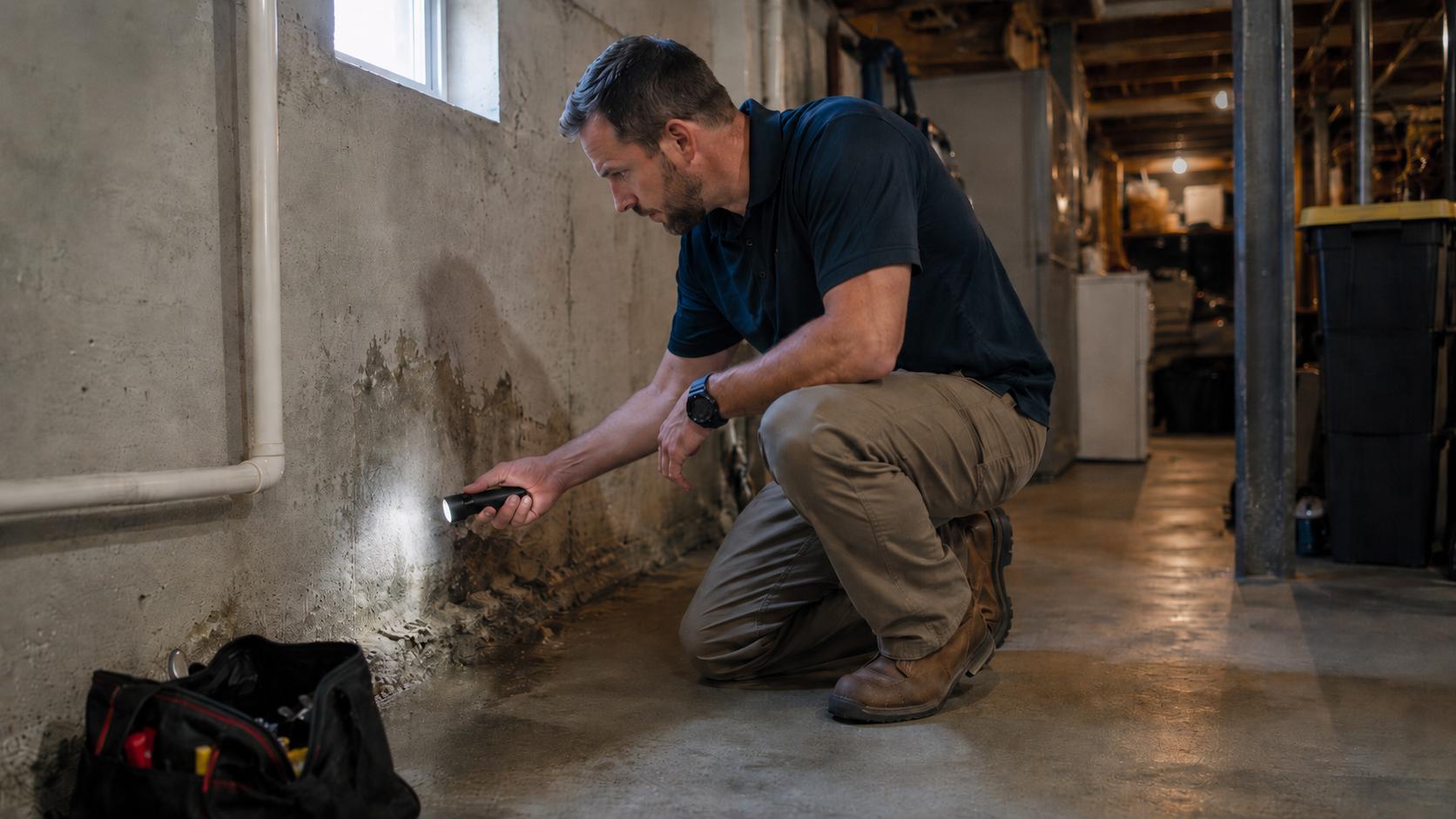
The quality difference between contractors often shows up before any work begins. A thorough inspection covers moisture patterns, crack direction and width, changes in those measurements over time, soil conditions, and structural loading. How a contractor handles this phase tells you a lot about how they'll handle the repair itself. Are they documenting what they find? Are they explaining what they see in plain terms? Or are they just quoting a price and moving on? A contractor who rushes the inspection is showing you exactly how they'll treat the rest of the job.
Ask what's causing the damage, not just how they'll fix it
Look for documentation, photos, and clear explanation during the assessment
Be cautious of anyone who quotes before fully inspecting
At Black Birch Contracting, we think the diagnosis matters as much as the repair. Knowing how to tell if a contractor is finding the source of the problem, rather than masking it, is one of the most useful things a homeowner can learn before hiring anyone. We're always happy to walk you through what we're seeing and why it matters, before we pick up a single tool.
What a Thorough Contractor Actually Inspects Before Touching Anything
The easiest way to evaluate any contractor is to watch what happens before work begins. A contractor who genuinely cares about your home won't show up with a quote ready to go on the first visit. A good one takes time to understand what's actually going on with your property before proposing a single solution. The real question to ask yourself is simple: are they investigating, or are they just selling?
What Good Contractors Inspect First
A real structural inspection covers far more ground than most homeowners expect. Before touching concrete, a thorough contractor will look at grade and drainage around your home. Water management issues are behind a large percentage of foundation and slab problems. They'll also examine soil conditions near the foundation, existing cracks (noting their pattern, width, and direction), moisture intrusion points along walls and floors, and every load-bearing element they can access. That kind of root-cause thinking is what separates a proper assessment from a surface-level glance. When contractors in Chilliwack and the Fraser Valley take this approach, they regularly spot issues that never showed up on a standard home inspection report.
What a Proper Contractor Assessment Looks Like
Contractor thoroughness shows up in the details. You should see your contractor taking photos, writing notes, and asking you questions about the history of the building before they start giving answers. When did that crack first appear? Has water ever pooled near the foundation? Were there any previous repairs? These questions matter because diagnosing concrete damage requires understanding what is happening beneath the surface, not just patching what is visible on top. If someone skips this step entirely, that is one of the biggest warning signs you can encounter when hiring a contractor.
Rushing Is a Red Flag
A genuine assessment takes time. If a contractor walks your property in five minutes and hands you a number, that should raise questions. One of the most useful things you can ask is simply, "What do you think is causing this?" If they can't explain the cause clearly, they're probably focused on visible symptoms rather than what's actually driving the problem. We've seen this firsthand. A quick quote might address the crack in the wall but ignore the drainage issue that put it there. A proper inspection might take an hour or more, and that patience is what protects your investment.
Check that your contractor documents findings with photos and written notes
Ask whether they have assessed drainage, soil, and load-bearing elements
Look for a focus on diagnosis before any talk of solutions
The Questions a Good Contractor Asks You, and Should Be Able to Answer
Most homeowners spend time preparing a list of questions for contractors, and that's smart. But it's worth flipping that around: a thorough concrete contractor in Chilliwack or anywhere in the Fraser Valley should also be asking you plenty of questions before any work begins. If a contractor shows up, glances at your foundation, and immediately hands you a quote, that's worth pausing on. An honest contractor in Fraser Valley will want to understand the full picture before diagnosing anything. Knowing whether a contractor is truly finding the source of the problem starts with the conversation that happens before the tools come out.
What a Good Contractor Should Ask Before Starting Work
There are specific questions a good contractor should ask before starting work, and those questions tell you a lot about whether they're thinking about the root cause or just slapping a quick fix on top. They'll want to know how long the damage has been visible and whether it's changed over time. They'll ask about recent water issues, drainage changes, or landscaping work that might have shifted moisture patterns around your foundation. They'll also want to know about any previous repairs done to the area, because an old patch job can hide what's really going on underneath. We've seen this firsthand. A fresh coat of hydraulic cement made a wall look fine until the underlying pressure cracked right through it again. These questions help a contractor build a timeline and understand how the damage has progressed, which matters a lot for getting the diagnosis right. Without that context, even a genuinely experienced contractor is working with half the picture.
What You Should Ask in Return
Thoroughness works both ways. Once they've inspected and asked their questions, it's your turn. Ask them what they think is causing the problem and what happens if you don't fix it now. Ask about their process for ruling out other issues, because what contractors miss during a surface-level inspection can easily become a much bigger problem a year down the line. An honest contractor Fraser Valley homeowners can rely on should be able to explain the "why" behind the damage in plain language. If they can't, or if they dodge your questions with vague technical jargon, that's a red flag worth taking seriously. As Construction News has noted, subsidence and structural jobs frequently get repeated precisely because the underlying cause wasn't properly identified the first time around.
Contractor trust isn't built on promises. It's built on the quality of the conversation before a single tool hits concrete. If you're looking for more guidance on what good contractors inspect and how to evaluate your options, check out our guide on questions to ask before hiring a contractor in the Fraser Valley.
Red Flags That Tell You a Contractor Is Skipping the Hard Part
Figuring out whether a contractor is actually finding the source of the problem starts before any work begins. If you're looking for a thorough concrete contractor in Chilliwack or a structural repair contractor in Fraser Valley, pay close attention to what happens during that very first visit. An honest contractor in Fraser Valley will spend time understanding your property before ever talking numbers. Not every contractor takes that approach, though, and the ones who skip the diagnostic work tend to leave you with repairs that just don't last.
What Contractor Red Flags Look Like in Practice
They quote without walking the full property. A contractor who glances at one crack and hands you a number isn't doing root cause analysis. They're guessing. Damage in one area often connects to issues elsewhere on the property, and skipping the walkthrough means skipping the context that actually matters.
They don't ask about the history of the damage. Good contractors want to know when you first noticed the problem, whether it's gotten worse over time, and what's been done about it before. Those are basic questions any thorough contractor should raise early in the conversation. If they're not asking, that's worth noting.
They offer one solution with no alternatives. How a contractor presents options tells you a lot about how carefully they've assessed the situation. A single take-it-or-leave-it fix usually reflects a shallow look at the problem, not confidence in their diagnosis.
They can't explain what caused the problem. If a contractor can't describe why the damage happened, they're treating symptoms rather than causes. A proper inspection goes beyond the visible surface to include drainage patterns, soil movement, and structural loading. We've seen plenty of cases where the obvious damage was the least of the issue.
They pressure you for a quick sign-off. Urgency without explanation is a sales tactic. It's not a repair strategy.
Cheap Bids Reflect Shallow Thinking
When you're comparing bids, keep this in mind: a low price usually reflects what a contractor missed during assessment, not just cheaper materials. Fraser Valley's climate, with its heavy moisture and freeze-thaw cycles, makes concrete damage genuinely complicated to diagnose. A contractor who doesn't account for those local conditions isn't giving you a complete picture, and that gap will show up later, usually in the form of another repair. You can learn more about how local weather conditions complicate damage diagnosis in Fraser Valley homes and why it matters for every repair plan.
Here's the honest truth: contractor thoroughness is visible from the first visit. Are they looking around corners, asking questions, taking notes? Or are they already reaching for the calculator before they've seen half the problem? Trust what you observe in those first few minutes. It tells you a lot.
How Contractors and Home Inspectors Approach Problems Differently
If you've ever received a home inspection report and wondered whether the flagged issues tell the whole story, you're asking a smart question. We've seen firsthand how different perspectives shape what gets found and what gets overlooked. Knowing whether a contractor is finding the source of a problem, rather than simply confirming what's already been noted, can make a real difference in the long run. Home inspectors and contractors both play important roles, but they approach problems from very different angles.
Inspectors Flag It, Contractors Dig Into It
Home inspectors are generalists by design. They're trained to evaluate a home across dozens of systems, from roofing and plumbing to electrical and foundation. That broad scope is genuinely valuable, but it also means they aren't always specialists in concrete, drainage, or structural systems. An inspector might note a crack in a foundation wall and recommend monitoring it, while a thorough concrete contractor in Chilliwack would investigate the soil conditions, water movement, and loading patterns that caused it. The difference between finding the source of the problem and applying a quick fix often starts right here, at the point where someone decides whether to look deeper.
Frequently Asked Questions
How can I tell if a contractor is actually finding the source of my concrete problem?
A contractor who's genuinely diagnosing the root cause will spend time inspecting before they ever quote a price. They should be documenting what they find, explaining crack direction and width, checking moisture patterns, and asking questions about your drainage and soil conditions. If someone shows up and hands you a number without a thorough walkthrough, that's worth taking seriously as a warning sign.
Why do concrete repairs sometimes fail and need to be redone so quickly?
Most repeat failures come down to treating the visible symptom rather than what's actually driving it. In the Fraser Valley, expansive clay soils, heavy rainfall, and freeze-thaw cycles put constant pressure on structures. A patch applied without addressing drainage issues or soil movement will keep cracking because the forces behind the original damage never went away.
What questions should I ask a contractor before agreeing to any repair work?
Start by asking what caused the damage, not just how they plan to fix it. Ask whether they'll document their inspection with photos and a written explanation, and whether their repair addresses the underlying issue or only the visible surface. A contractor who answers those questions clearly and without hesitation is showing you the kind of thoroughness you actually want on your project.
Is a surface patch ever an acceptable solution, or is it always a bad idea?
Surface repairs can be appropriate when the cause of the damage has already been resolved and the patch is simply restoring appearance or sealing a minor area. The problem comes when a cosmetic fix gets applied without confirming the root cause is gone. A contractor should be able to clearly explain why a surface repair is sufficient in your specific situation, rather than just defaulting to it because it's faster.
Can a concrete or structural repair contractor find problems that a home inspector missed?
Yes, and it happens more often than homeowners expect. Home inspectors cover a wide range of systems in a limited amount of time, while a structural repair specialist spends every day studying how concrete and foundations fail. That focused experience often means they'll catch early warning signs of drainage problems, rebar corrosion, or soil settlement that a general inspection would walk right past.
Does a longer or more detailed inspection mean the contractor will charge more for the repair?
Not necessarily. A thorough inspection is about understanding the actual scope of work, which can prevent you from overpaying for repairs you don't need or underpaying for ones that will fail. A contractor who skips the detailed assessment is more likely to miss something that leads to a costly redo. That cheaper quote has a way of becoming the more expensive choice once you're back to square one.
Knowing what to look for before the work begins is one of the best ways to protect your home. If you've noticed cracking, settling, or moisture damage and want an honest read on what's actually causing it, reach out to Black Birch Contracting and we'll walk you through exactly what we find and why it matters.