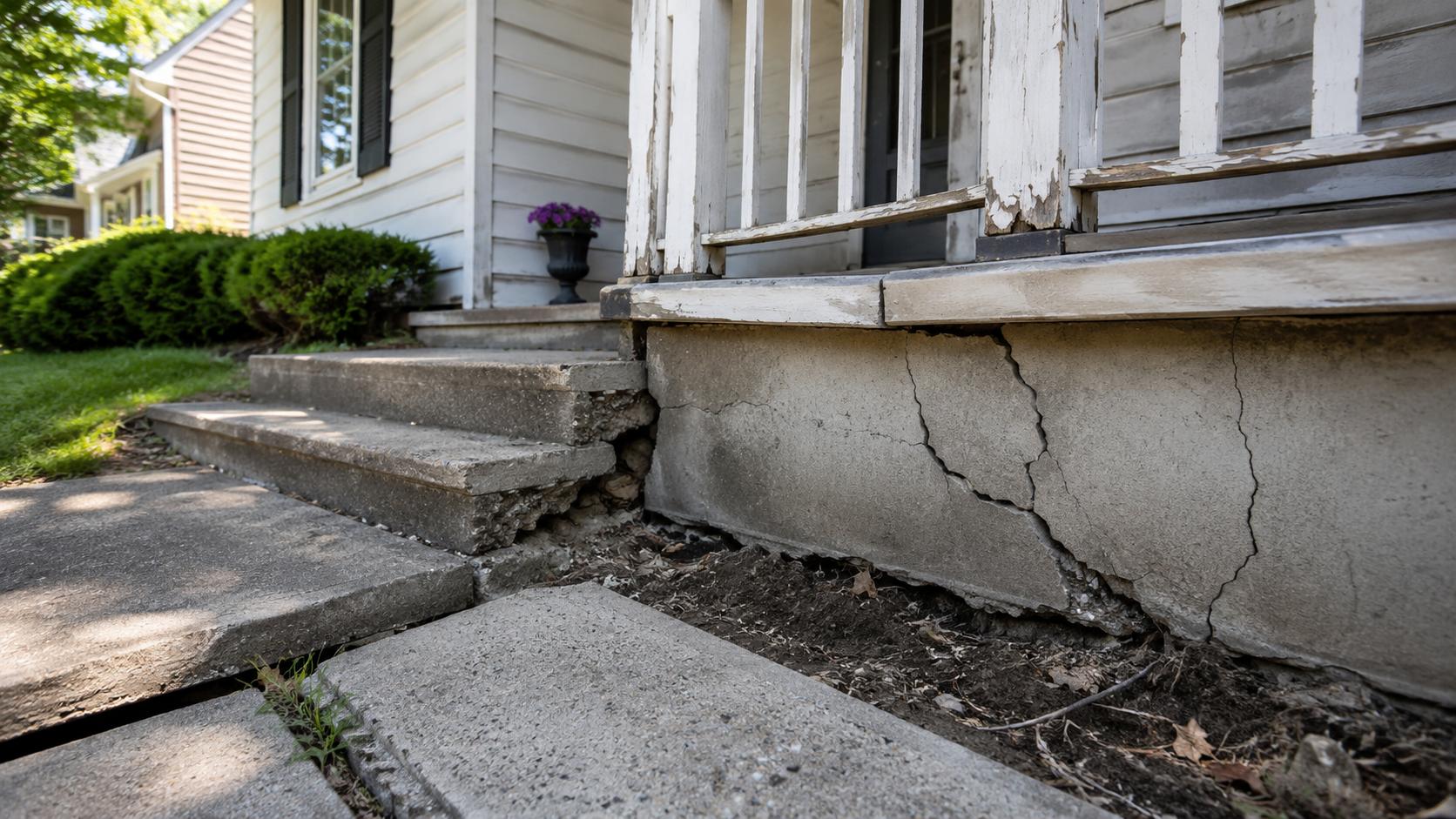
That hairline crack in your garage floor or the spalling on your front steps might look like a minor eyesore, but understanding the difference between structural and cosmetic repair could save you tens of thousands of dollars and keep your family safe. Black Birch Contracting sees this confusion play out regularly, working with homeowners throughout Chilliwack and the Fraser Valley who assume all concrete damage is surface-level. That assumption can be dangerous.
Two Very Different Categories of Concrete Damage
Cosmetic concrete repair covers surface-level issues like discoloration, minor scaling, or shallow hairline cracks that don't affect how the concrete actually performs. These problems are real and do matter for curb appeal and property value, but they don't threaten the safety of your home. Structural integrity restoration is something else entirely. It deals with damage that compromises the load-bearing capacity of a concrete element, whether that's a foundation wall, a retaining structure, or a support column. When damage runs deeper than the surface, you're looking at a completely different scope of work, a longer timeline, and a much higher level of urgency.
Why Getting It Wrong Can Be Catastrophic
Misidentifying structural damage as a cosmetic issue is one of the most costly mistakes a homeowner can make. A crack that looks harmless might actually signal foundation settlement, rebar corrosion, or compromised load-bearing capacity. Skipping a proper structural damage assessment and patching over the problem instead can trigger progressive failure, where damage worsens invisibly until a wall shifts, a floor sinks, or a foundation gives way. We've seen this play out in real projects where a $500 patch job turned into a $50,000 remediation because nobody asked the right questions early on. The real-world stakes include safety hazards, plummeting property values, and repair bills that grow the longer the underlying issue goes unaddressed. Ongoing research into concrete durability and resilience keeps reinforcing what experienced contractors already know: early intervention matters enormously for long-term performance.
What You'll Learn from Black Birch Contracting
Black Birch Contracting has spent years doing foundation and load-bearing repair across the Fraser Valley. In that time, we've seen firsthand how often homeowners misread what's actually going on with their concrete. In the sections ahead, we'll walk you through the warning signs that separate cosmetic issues from structural ones, when it's worth picking up the phone for a proper assessment, and why the Fraser Valley's soil and climate conditions make this distinction particularly important if you own property here.
Understanding the Core Difference Between Structural and Cosmetic Damage
When you notice cracks, chips, or deterioration on a concrete surface, the first question is always the same: is this serious, or just ugly? It's an important distinction, and honestly, it's one that property owners get wrong more often than you'd expect. Structural repair vs cosmetic repair aren't just different jobs. They require completely different approaches, different materials, and different levels of urgency. As a concrete repair specialist and general contractor in Chilliwack, Black Birch Contracting deals with both types of damage on a regular basis. Whether the job calls for structural concrete repair or a straightforward surface patch, getting the diagnosis right is what actually matters. Concrete restoration in the Fraser Valley starts there, with knowing exactly what you're looking at before anyone picks up a trowel.
What Makes Damage "Structural" vs. "Cosmetic"?
Structural damage is any deterioration that affects a building's load-bearing capacity, stability, or overall integrity. Think of it like a broken bone: even if the skin looks fine on the outside, something critical underneath isn't doing its job. A cracked foundation wall that's shifting inward, corroded rebar compromising a support beam, or a slab that's lost its connection to its footing are all situations where structural integrity restoration is the only appropriate response. Foundation repair and load-bearing repair fall squarely into this category because they address the systems keeping a building standing.
Cosmetic damage, by contrast, involves surface-level imperfections that don't compromise performance or safety. A chipped step edge, minor surface spalling, or a hairline crack on a garage floor might look concerning, but they often pose no real risk to the structure itself. Here's an analogy that makes it click: a cracked tile on your kitchen wall is a cosmetic issue, while a cracked beam holding up your kitchen ceiling is a structural emergency. Both deserve attention, but they require very different responses. Cosmetic concrete repair typically means filling surface voids, sealing hairline cracks, or patching areas of spalling to restore a clean appearance.
How Do You Tell the Difference?
This is where things get genuinely tricky. You can't judge structural vs cosmetic damage by appearance alone. A proper structural damage assessment has to consider several factors at once:
Location of the crack or deterioration relative to load-bearing elements
Depth and width of the damage
The pattern, such as horizontal cracks in a foundation wall versus random surface crazing
The underlying cause, including settlement, overloading, or freeze-thaw cycles
A wide crack on a decorative retaining cap might be purely cosmetic, while a narrow crack running through a structural footing could signal something far more serious. We've seen this play out plenty of times, and it's exactly why a quick visual inspection isn't enough. You can learn more about reading these signs in our guide to structural vs non-structural cracks. Both types of damage are worth addressing. The real goal is matching the right repair strategy to the actual problem, so you're not overpaying for a cosmetic fix or ignoring something that genuinely needs attention.
How Structural Damage Is Identified and Assessed
Understanding the difference between structural repair vs cosmetic repair is one of the most important things a homeowner can do when concrete problems appear. What looks like a minor surface crack might actually signal deeper issues requiring structural concrete repair, and only a proper assessment can tell the difference. Whether you're working with a general contractor in Chilliwack or seeking concrete restoration in the Fraser Valley, knowing what goes into a structural damage assessment helps you make informed decisions about your property.
Professionals evaluate several key indicators during a concrete damage assessment. Crack width is one of the first things examined, since cracks exceeding a few millimeters often point to load-bearing issues rather than simple surface wear. Orientation matters too: horizontal cracking in foundation walls typically suggests lateral soil pressure, diagonal cracks near corners can indicate differential settlement, and vertical cracks may signal various types of movement. Displacement between concrete sections, water intrusion that correlates with seasonal loading changes, and signs of ongoing movement all push a finding out of cosmetic concrete repair territory and into foundation structural repair.
Fraser Valley's climate accelerates structural deterioration in ways many homeowners don't realize. Freeze-thaw cycles force moisture deep into concrete, expanding micro-cracks season after season. Heavy rainfall saturates soils and creates hydrostatic pressure against foundations, while clay-rich ground swells and contracts with moisture changes. These forces make load-bearing repair needs more common here than in drier climates.
So how do you know if your concrete damage is structural? Watch for doors and windows that suddenly stick, floors that feel uneven underfoot, walls that bow or lean, and cracks that measurably grow over weeks or months. These symptoms suggest compromised structural integrity restoration is needed, not just patching. Concrete damage becomes a structural problem when deterioration is progressive. Each season of neglect compounds the forces already at work.
DIY assessment is risky because the most critical damage often hides below the surface. A concrete repair specialist looks beyond visible cracks to evaluate rebar corrosion, substrate integrity, and load distribution patterns. We've seen this firsthand: what appears to be a hairline crack at grade level can trace back to rebar that's been corroding for years. Choosing the right structural repair contractor means finding someone who investigates root causes rather than simply covering symptoms.
Why Foundations Demand Special Attention in Structural Repairs
No part of a building matters more than what sits at the bottom. The foundation is where every load path in your structure converges, which is why understanding structural repair vs cosmetic repair is so important for any property owner. Whether you're working with a general contractor Chilliwack residents rely on or a concrete restoration Fraser Valley specialist, the foundation should always be the first place anyone looks when something seems off with your structure.
Think of your foundation as the anchor for everything above it. Walls, floors, roof systems, and every beam in between rely on the foundation to distribute weight evenly into the ground. When foundation structural repair is needed but ignored, the consequences ripple upward. Doors stop closing properly, cracks appear in drywall, floors begin to slope, and over time the structural integrity restoration of the entire building becomes a far larger and costlier project. All load paths lead down, and if the base is compromised, nothing above it is truly stable.
Foundations in Chilliwack and the Fraser Valley face some real and specific challenges. Settling is common in areas with variable soil conditions, while heaving from expansive clay soils can push foundations upward unevenly. Hydrostatic pressure from heavy regional rainfall pushes water against basement walls, and frost movement during cold snaps can shift concrete in ways that create serious long-term problems. A thorough structural damage assessment will identify which of these forces is at play, and that assessment is the necessary first step in any load-bearing repair plan.
Not every crack in your foundation is cause for alarm. Cosmetic concrete repair addresses typical shrinkage cracks, which are hairline, vertical, and show no signs of displacement. Structural cracks, though, run horizontally, follow a stair-step pattern, or show clear shifting between the two sides. Water infiltration through cracks is another red flag. If you're unsure which type you're dealing with, our foundation structural repair in Chilliwack guide walks through the differences in detail.
Delaying foundation repairs is one of the most expensive gambles a property owner can take. What starts as a manageable fix can multiply in cost as damage spreads through the structure above. Engineered concrete repair solutions ensure that foundation work is designed to handle the specific loads and soil conditions involved, rather than simply patched over as a temporary measure. Foundation issues should always be assessed by a qualified concrete repair specialist or structural repair contractor in BC who understands both the engineering and the local conditions that caused the problem in the first place.
What Structural Concrete Repair Actually Involves
When most people think about fixing damaged concrete, they picture someone troweling a fresh layer over a cracked surface. That might work for minor blemishes, but structural concrete repair is a completely different process with much higher stakes. As a general contractor Chilliwack property owners call for complex projects, we see this confusion between structural and cosmetic work all the time. It matters because choosing the wrong approach can leave serious problems hidden beneath a good-looking surface. Concrete restoration Fraser Valley projects almost always need a careful evaluation before anyone picks up a tool.
The Structural Repair Process: More Than Meets the Eye
Genuine structural concrete repair starts with a thorough damage assessment, and that alone is more involved than most people expect. It means investigating the full extent of deterioration, identifying the root cause (whether it's moisture intrusion, rebar corrosion, or overloading), and figuring out how the damage has affected load-bearing capacity. Compromised material gets removed completely, often well beyond what's visible on the surface. That part surprises a lot of property owners. Exposed reinforcement is then cleaned, treated, and sometimes supplemented with additional steel or carbon fibre systems. Only after all of that does the actual repair begin, using engineered methods like epoxy injection for crack bonding, hydraulic cement in areas exposed to water pressure, carbon fibre reinforcement where tensile strength needs to be added, or structural overlays designed to restore full load-bearing capacity. Recent research into the durability of concrete structures reinforces why repair materials and methods need to be chosen based on the specific stresses a structure will face, not just whatever product is easiest to apply.
Material Specifications and Engineering Oversight
A concrete repair specialist picks products based on measurable performance characteristics: compressive strength ratings, bond strength to existing substrate, and controlled shrinkage properties that prevent new cracks from forming. These aren't off-the-shelf patching compounds. Structural repairs typically require building permits, engineering sign-off, and thorough documentation proving the work meets code. Foundation structural repair, for instance, demands this level of oversight because the consequences of failure are severe. The goal is structural integrity restoration, and every step has to be verifiable.
Where Cosmetic Work Fits In
Cosmetic concrete repair covers resurfacing, decorative overlays, colour matching, and texture restoration. It's perfectly valid work, but it serves a completely different purpose than structural repair. It makes concrete look good rather than making it safe or sound. Most concrete restoration projects in the Fraser Valley involve both phases, and getting the order right matters more than people realize. There's a reason why structural concrete repairs come before cosmetic upgrades. Applying a beautiful finish over compromised concrete just delays the failure while hiding the evidence. Structural work comes first, cosmetic finishing follows. That's the only sequence that makes sense.
Choosing the Right Contractor for Structural vs Cosmetic Work
Understanding the difference between structural repair vs cosmetic repair is one of the most important decisions you'll make as a property owner. Structural concrete repair addresses the load-bearing elements that keep a building safe, while cosmetic fixes deal with surface appearance. If you need concrete restoration in the Fraser Valley, choosing a contractor with the right qualifications can mean the difference between a lasting solution and a problem that quietly grows worse behind a fresh coat of parging. Not every general contractor in Chilliwack has the specialized knowledge required for foundation work or complex engineered solutions, so it pays to ask the right questions before signing anything.
What to Look For in a Structural Repair Contractor
When selecting a structural repair contractor in BC, verify their licensing, insurance, and direct experience with load-bearing repair. A qualified concrete repair specialist should know BC building code requirements, be comfortable interpreting engineered drawings, and be upfront about their repair methodology and material specifications. Always ask whether they pull permits. Contractors who skip permits are often cutting corners, and that compromises structural integrity restoration in ways that may not show up until serious damage has already occurred. Industry analysis points to poor scope definition and miscommunication as major drivers of construction disputes, which is exactly why getting clarity at the hiring stage matters so much.
The Risk of Cosmetic Fixes on Structural Problems
Hiring a contractor who only knows cosmetic concrete repair for structural work is a recipe for trouble. Surface treatments like resurfacing or patching can mask active deterioration, hiding deeper damage that keeps spreading underneath. Without a proper structural damage assessment, you might not realize how bad things actually are until the repair fails entirely. Contractors worth hiring work alongside engineers rather than bypassing them, so every repair is designed to restore the structure itself, not just how it looks.
Black Birch Contracting's Approach
At Black Birch Contracting, we start every project with a thorough assessment, an honest conversation about what we find, and repairs sequenced so the structural work is done before finishing trades ever set foot on site. As a general contractor in Chilliwack, we coordinate structural, mechanical, and finishing trades under one project so timelines stay on track and there's no finger-pointing when something goes sideways. If you're dealing with concrete damage that might be more than surface-level, reach out for a straight answer before you commit to a patch job that could cost you more down the road.
Frequently Asked Questions
How do I know if a crack in my concrete is structural or cosmetic?
It's not just about how the crack looks. What actually matters is where the crack sits relative to load-bearing elements, how deep and wide it runs, the pattern it follows, and what caused it in the first place. Whether that's settlement, freeze-thaw cycling, or something else entirely can change the answer significantly. A narrow crack through a structural footing can be more serious than a wide crack on a decorative surface. That's exactly why a professional structural damage assessment is the most reliable way to know for certain, rather than guessing based on appearance alone.
Can I just patch over a structural crack to save money?
Patching over a structural problem without fixing what caused it is one of the most expensive mistakes a homeowner can make. The damage keeps progressing beneath the surface, and eventually you end up with walls shifting, floors sinking, or foundations giving way. Repair costs tend to multiply the longer the root issue goes unaddressed. In almost every case we've seen, early professional intervention costs significantly less than dealing with the fallout later.
What are some examples of cosmetic concrete damage?
Cosmetic damage is surface-level: minor scaling, discoloration, shallow hairline cracks on a garage floor, chipped step edges, surface spalling. These are worth addressing for curb appeal and property value, but they don't affect the safety or load-bearing performance of the structure. Cosmetic concrete repair typically means filling surface voids, sealing cracks, or patching spalled areas to restore a clean, uniform appearance.
What types of damage require structural integrity restoration?
Anything that compromises a building's load-bearing capacity, stability, or overall integrity falls into the structural category. Common examples include foundation walls cracking or shifting inward, corroded rebar inside a support element, and slabs that have lost their connection to a footing. Structural concrete repair is the right response to these conditions because it targets the systems that are actually keeping the building standing, not just what's visible on the surface.
Do Fraser Valley soil and climate conditions affect how concrete damage should be assessed?
They really do. Freeze-thaw cycles common to the Fraser Valley can accelerate cracking and spalling faster than homeowners expect, while soil movement from seasonal moisture changes contributes to foundation settlement. These regional factors matter when interpreting what a crack or deterioration pattern actually means. Chilliwack and Fraser Valley homeowners are better off working with a contractor who knows the local environment, because the same crack can mean something different here than it would in a drier or more stable climate.
When should I stop treating a concrete problem as cosmetic and call a professional?
If cracks are widening over time, if you're seeing horizontal cracking in a foundation wall, if slabs are uneven or sinking, or if there's any sign of inward movement in a load-bearing element, stop treating it as cosmetic. Even when you're not sure what you're looking at, a professional structural damage assessment is the only way to get a reliable answer. Getting the diagnosis right from the start is always cheaper than repairing damage that was left to progress.
Knowing the difference between structural repair vs cosmetic repair is where protecting your home actually starts. If you've noticed cracks, deterioration, or something that just doesn't look right, the team at Black Birch Contracting can help you figure out what you're dealing with and what needs to happen next. Reach out to our team to schedule a professional assessment and get the right repair strategy in place from the start.