Why Local Climate Knowledge is Critical in the Fraser Valley
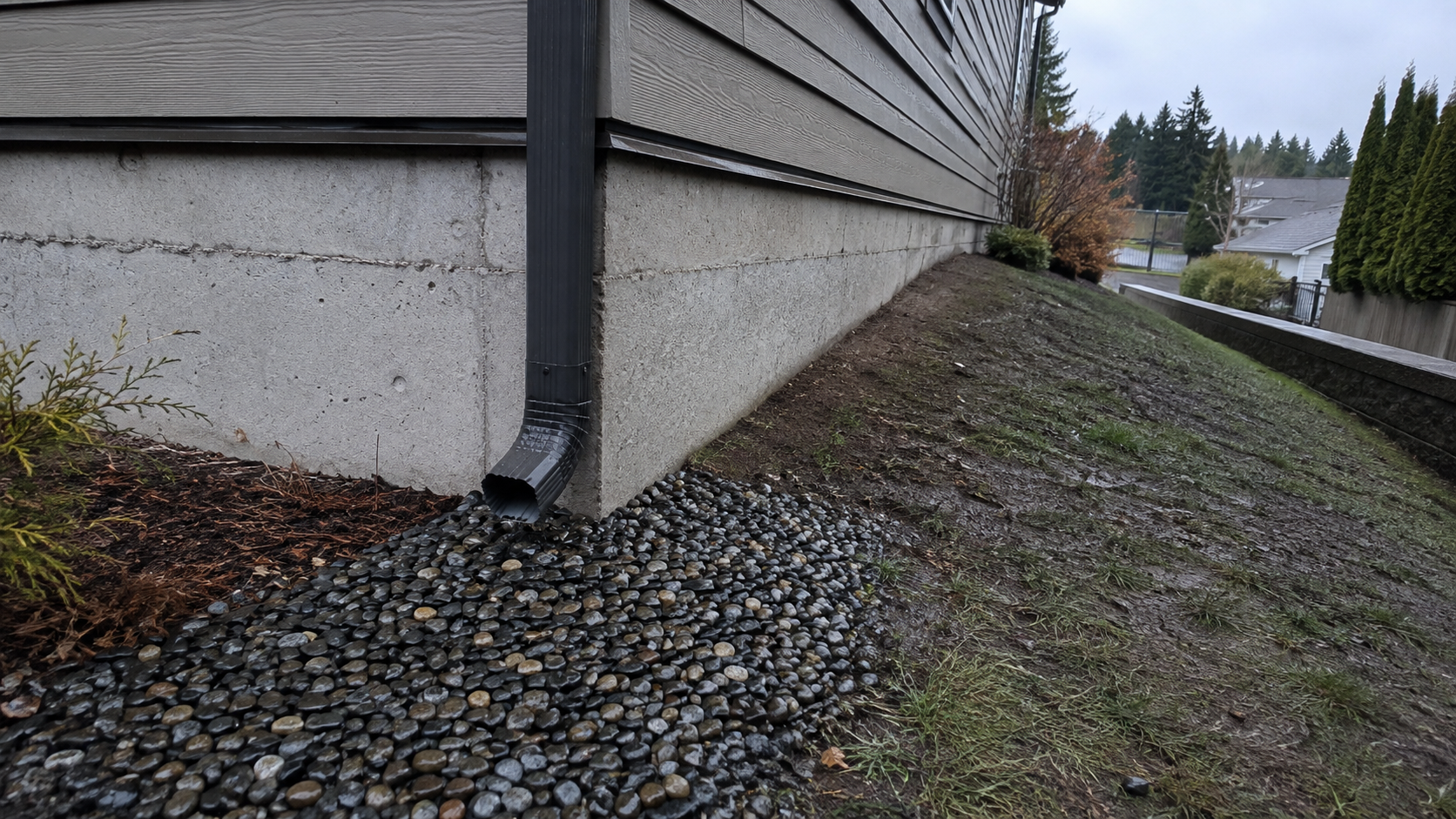
During the contractor vetting process, finding a reliable General Contractor Fraser Valley that property owners can trust means prioritizing profound local construction expertise. The region is notorious for its relentless atmospheric rivers and prolonged wet seasons. This heavy, continuous rainfall dramatically impacts home foundations by saturating the surrounding clay-heavy soil. As the ground absorbs water, it swells and exerts immense hydrostatic pressure against basement walls and footings. If a builder lacks specific climate knowledge, they may install inadequate drainage, allowing this pressure to force moisture through microcracks and cold joints. Foundational studies on regional weather confirm that the increasing frequency of extreme rainfall necessitates highly adaptive moisture control systems to prevent structural decay (Metro Vancouver, "Study of the Impacts of Climate Change").
Beyond the rain, the region experiences volatile temperature swings during the winter months. Cities like Chilliwack, Mission, and Hope frequently hover around the freezing mark, creating a relentless freeze-thaw cycle. Moisture that has seeped into porous concrete expands as it freezes overnight, only to thaw and contract the next day. This rapid expansion creates severe internal stress, leading to surface spalling and deep structural fracturing (Golewski, "Resistance of Concrete with Crystalline Hydrophilic Additives to Freeze–Thaw Cycles"). To combat this, an expert must know exactly how to adjust concrete mixtures—such as utilizing specific air-entraining agents that provide microscopic relief chambers for expanding ice—and apply the correct protective sealants to shield the surface from structural fatigue.
Because of these severe environmental stressors, proactive Concrete Restoration and Concrete Repair are not just cosmetic upgrades; they are essential defensive measures. Waiting for visible foundation cracks to widen before acting can be financially devastating. Recent economic analyses on climate adaptation emphasize that failing to upgrade and weatherproof infrastructure against extreme rainfall and temperature fluctuations can multiply repair costs exponentially, with national deterioration costs projected to reach $14 billion annually by the 2050s without proactive intervention (Canadian Climate Institute, "Prepare or Repair").
To safeguard your property in locations ranging from Vancouver and Langley to Abbotsford, an elite contracting team will implement a multi-tiered weatherproofing strategy:
Advanced Perimeter Drainage: Installing meticulously sloped weeping tile systems to intercept groundwater and alleviate hydrostatic pressure before it breaches the foundation.
Targeted Structural Repair: Injecting specialized epoxies into existing freeze-thaw fractures to prevent further seasonal expansion, flooding, and concrete slab sinking.
Strategic Weatherproofing: Applying high-performance moisture barriers and breathable sealants engineered to withstand aggressive humidity and rapid freezing cycles.
Ultimately, partnering with a team that deeply understands these distinct weather patterns ensures that your home renovation or structural improvement is built to endure, providing long-term engineering precision and peace of mind rather than a temporary, bottom-dollar fix.
Essential Qualities of a Trusted General Contractor
When undertaking significant structural improvements or major renovations, property owners face a critical choice in who they hire to manage the project. The difference between a surface-level facelift and a lasting investment comes down to selecting a contractor with a proven methodology. A premier General Contractor Fraser Valley residents rely on must operate as a "dual-expert." This means they possess an equal mastery of aesthetic renovations and structural longevity. A true dual-expert contractor integrates constructability insights with high-level design excellence, an approach that has been shown to significantly reduce construction errors and elevate overall project quality (Uusitalo et al., "Improving Design Quality by Contractor Involvement"). By merging these two disciplines, they ensure that the beautiful finishes you see are supported by the engineering precision you cannot see.
A reputable contractor knows that visual upgrades are meaningless if the underlying structure is failing. Therefore, prioritizing foundation protection and rigorous Concrete Restoration alongside aesthetic work is non-negotiable. Incorporating structural health evaluations into your contractor vetting process is crucial, especially regarding concrete delamination or cracking. These issues are not merely cosmetic defects; they are frequently terminal symptoms of deep-seated structural pathology that demand engineered reinstatement rather than a quick patch (Structural Repairs, "Commercial Concrete Repair"). Catching and addressing minor foundation or concrete issues early costs a fraction of the price, whereas ignoring them until they compromise the building's structural integrity can escalate repair expenses to well over $20,000 (This Old House, "How Much Does Foundation Repair Cost?"). Effective Concrete Repair requires a methodical process that includes:
Assessing moisture intrusion and subgrade instability beneath the foundation to prevent future settlement.
Treating and mitigating active rebar corrosion before casting or injecting any new material.
Applying structural-grade micro-concretes rather than superficial leveling compounds to restore load-bearing capacity.
Beyond technical proficiency, a vetted contractor brings the invaluable asset of local construction expertise. Having deep roots and established working relationships in communities spanning Chilliwack, Langley, Abbotsford, Mission, and Hope directly translates to a smoother renovation process. Local contractors understand the specific environmental stressors of the Fraser Valley and Greater Vancouver areas, from heavy seasonal rainfall to highly variable soil compositions. Furthermore, a contractor deeply embedded in the local region has spent years vetting their tradespeople, engineers, and suppliers. This network guarantees that every phase of your project is handled by trusted professionals held to the highest standards of local accountability and transparent communication, ensuring your investment stands the test of time.
The Contractor Vetting Process: Verifying Reputation and Credentials
Undertaking a major home renovation, structural improvement, or Concrete Restoration project is a significant financial investment. Finding a reliable General Contractor in the Fraser Valley requires looking beyond bottom-dollar estimates and flashy marketing. The most critical step in this journey is the contractor vetting process, where you objectively verify a company’s credentials, financial protections, and local reputation. If a contractor cuts corners on their own business compliance, they are highly likely to compromise the engineering precision of your home.
Validating Licensing and Financial Protections
Never accept a verbal guarantee that a contractor is "fully insured." You must actively verify their credentials to protect yourself from immense liability. During major structural projects, property owners frequently face devastating financial risks due to gaps in their own policies and the inadequate coverage of unverified contractors (McKenna, "Starting A Home Renovation?"). You should always request a Certificate of Insurance (COI) directly from the contractor's broker, ensuring they carry comprehensive general liability coverage. Furthermore, strict adherence to British Columbia business licensing requires verifying the contractor's workers' compensation standing. Always request a WorkSafeBC clearance letter to confirm the firm is documented as "active and in good standing," a status that legally ensures you cannot be held financially responsible for a contractor's unpaid premiums or any workplace injuries that occur on your property (WorkSafeBC, "Get a clearance letter").
Assessing Local Construction Expertise
A contractor’s ability to navigate municipal building codes and regional climate challenges is a definitive indicator of their reliability. When checking references, demand specific examples of past projects spanning from Vancouver to Hope. True local construction expertise matters deeply; a contractor who successfully manages the distinct soil settling and heavy moisture issues found in Chilliwack, Langley, or Abbotsford demonstrates a much higher level of structural competence than an out-of-town firm. Always read third-party reviews to evaluate their communication transparency, adherence to engineering standards, and post-project accountability.
Evaluating the Portfolio for Relevant Experience
Not all contractors possess the technical skill required for critical foundational work. When evaluating a portfolio, you must differentiate between simple cosmetic updates and specialized engineering feats like Concrete Repair. To ensure a contractor has verifiable, high-end experience, look for:
Before-and-after documentation: Demand visual proof of how they diagnosed and permanently resolved complex structural issues in communities like Mission.
Long-term durability: Ask for localized references from projects completed several years ago to verify how their concrete or framing work has held up to the region's rigorous weather cycles.
Permitting history: Ensure their portfolio highlights projects that legally required, and successfully passed, stringent municipal inspections.
Balancing Aesthetic Renovation Goals with Underlying Concrete Repair Needs
When embarking on a major property improvement project, it is tempting to focus entirely on luxury finishes—such as premium hardwood flooring, custom cabinetry, or imported stone countertops. However, installing high-end cosmetic upgrades over a compromised structural foundation is a recipe for disaster. Before laying down expensive materials, a comprehensive assessment of your property's structural health is non-negotiable. For homeowners and property managers across Greater Vancouver and the Fraser Valley, from the rainy climates of Vancouver to the fluctuating seasonal temperatures in Chilliwack, Langley, and Hope, prioritizing Concrete Repair is the most critical first step in any successful renovation.
Failing to address foundational issues before executing your aesthetic vision can lead to moisture intrusion, differential settlement, and catastrophic material failure. According to recent engineering standards, concrete restoration is a comprehensive approach to rejuvenating aging structures, where proper assessment, structural strengthening, and protective coatings are essential to ensuring the long-term functionality and safety of the building (PES Engineering, "Concrete Restoration Process"). If you ignore these underlying vulnerabilities, even the most beautiful surface finishes will prematurely buckle, crack, or warp under the stress of an unstable base.
This is exactly why partnering with a highly skilled General Contractor in the Fraser Valley is paramount. A reputable local expert understands how to seamlessly bridge the gap between high-end architectural design and mandatory structural reinforcements. Here is how a rigorous contractor vetting process ensures your investment remains permanently protected:
Structural Integrity First: A qualified general contractor will mandate a full structural assessment to identify spalling, rebar corrosion, or load-bearing weaknesses before any cosmetic work begins.
Expert Concrete Restoration: By executing professional Concrete Restoration, contractors with local construction expertise in Abbotsford and Mission can strengthen existing foundations. Applying advanced epoxy injections and moisture-blocking coatings guarantees the longevity of your above-grade luxury finishes.
Seamless Integration: Expert builders integrate foundational repairs into the overall project timeline without sacrificing interior design goals. They ensure that subfloors are perfectly leveled and structurally sound, creating a flawless canvas for aesthetic upgrades.
Ultimately, a successful renovation is about more than just surface-level beauty. By addressing concrete deterioration head-on, property owners ensure that their structural investments are safeguarded against demanding environmental elements. Transparent communication and engineering precision mean that your breathtaking renovation will stand the test of time, supported by a resilient and unshakeable foundation (Sika, "Concrete Repair").
Crucial Questions to Ask During the Initial Consultation
Finding the right General Contractor for your project requires moving past superficial sales pitches and diving into the operational reality of how a builder manages risk. When interviewing a General Contractor in the Fraser Valley, the initial consultation is your best opportunity to gauge their technical expertise and commitment to transparency. Asking these four targeted questions ensures you are hiring a team that values engineering precision and local accountability over bottom-dollar pricing.
What is your specific experience dealing with Fraser Valley weather conditions and structural water damage?
The Pacific Northwest is notorious for its heavy rainfall and cyclical freeze-thaw patterns, both of which are relentless enemies of masonry and foundation integrity. When water continuously penetrates porous materials, it reaches the reinforcing steel; as the steel rusts, it expands, causing the surrounding concrete to crack, spall, and eventually lose its load-bearing capacity (ForensisGroup, "Understanding Water and Water Vapor in Concrete Structures"). Ask the contractor how they proactively waterproof and structurally fortify buildings against these specific regional threats. A knowledgeable contractor will explain their preventative moisture-control techniques rather than just offering reactive patching.
Can you walk me through your contractor vetting process when hiring specialized subcontractors?
Even the most experienced general contractor relies on a network of specialized trades. However, selecting an improper subcontractor can lead to severe project delays, poor workmanship, and blown budgets. Recent academic analyses of complex projects emphasize that the most critical subcontractor selection criteria must focus on system reliability, quality of service, and flexibility to change, rather than merely defaulting to the lowest bidder (Zikri et al., "Examining Criteria for Choosing Subcontractors"). Ask for concrete examples of their contractor vetting process. Do they verify insurance, review safety records, and mandate strict quality control standards before allowing a subcontractor on your property?
How do you assess and handle unexpected Concrete Repair needs discovered during demolition?
Renovations rarely go exactly as planned. During the initial demolition phase, it is common to uncover hidden structural degradation, such as compromised load-bearing walls or severe sub-surface moisture damage. Effective Concrete Restoration and Concrete Repair require a systematic approach. Ask the contractor how these surprises are documented, priced, and scheduled. Do they have the in-house engineering expertise to pause, assess the structural risk, and pivot without derailing the entire project timeline?
Can you provide references from recent projects in our specific municipality?
While a portfolio of beautiful homes in Vancouver is nice, local construction expertise is what gets a project permitted and completed efficiently. Whether you are building in Chilliwack, Langley, Hope, Abbotsford, or Mission, every municipality has its own zoning bylaws, inspection quirks, and environmental regulations. Requesting hyper-local references proves that the contractor has a track record of successfully navigating your specific city hall and managing site logistics in your immediate area.
The Step-by-Step Process for a Successful Renovation and Structural Repair
A successful renovation requires more than just high-end materials; it demands engineering precision and a methodical approach to project management. When evaluating a General Contractor Fraser Valley that property owners can trust, the first critical step is conducting a comprehensive site assessment. This Phase 1 initiative goes far beyond evaluating a property's aesthetic potential. It involves a deep dive into the structural integrity of the home or commercial building. Effective structural rehabilitation demands a rigorous methodology, starting with a thorough condition assessment to identify underlying weaknesses—such as hidden moisture intrusion or rebar corrosion—before any cosmetic work begins (American Concrete Institute, "546-23: Concrete Repair—Guide"). By pinpointing these vulnerabilities early, contractors can engineer a targeted plan that ensures long-term safety and durability rather than applying superficial bandages.
Once the assessment is complete, the focus shifts to Phase 2: transparent planning and budget development. Navigating the regulatory landscape to secure permits in local municipalities like Mission or Chilliwack requires distinct local construction expertise. A rigorous contractor vetting process ensures you partner with experts who provide itemized budgets and clear timelines, eliminating the financial surprises that often accompany bottom-dollar bids. Transparency during this phase establishes a foundation of local accountability, ensuring all engineering standards and municipal codes are strictly met before ground is ever broken.
With approvals in hand, Phase 3 initiates the physical transformation through safe, controlled demolition and foundational execution. For properties in surrounding areas like Abbotsford, Langley, or Hope, where environmental stressors can accelerate foundational wear, executing precise Concrete Repair and structural reinforcement is paramount. Damaged or weakened concrete must be carefully extracted, and surfaces must be meticulously prepared to ensure the proper bonding of new materials. This phase also integrates critical weatherproofing measures to protect the exposed framework from unpredictable regional climates, guaranteeing that the renovated structure can withstand future environmental demands.
Phase 4 merges this unshakeable structural soundness with beautiful aesthetic finishing. Whether upgrading a heritage property in Vancouver or modernizing a commercial facility across the Fraser Valley, continuous milestone check-ins keep property managers and homeowners informed of the progress. This collaborative approach ensures that the architectural vision aligns perfectly with the engineering reality. The process concludes with a rigorous final quality assurance walkthrough, verifying that every detail—from the flawlessly cured Concrete Restoration to the precisely applied weather seals—meets the highest standard of excellence.
Ensuring Your Project Stays on Budget and on Schedule
When undertaking substantial property improvements—whether it is a full-scale renovation in Vancouver or targeted Concrete Repair in Abbotsford—maintaining strict control over your financial resources and project timeline is paramount. Cost overruns and schedule blowouts are not inevitable; rather, they are typically the result of ambiguous planning and poor risk management. In fact, a comprehensive 2023 industry survey revealed that 75% of construction projects exceeded their planned budgets, often due to mid-project changes and vague initial scopes (Tantawy, "An Analysis of Factors Contributing to Cost Overruns in the Global Construction Industry"). To protect your investment, your contractor vetting process must prioritize transparency, realistic forecasting, and structured oversight.
To successfully navigate the complexities of local construction, insist on the following operational standards:
Demand a Detailed, Itemized Initial Quote: A reliable General Contractor Fraser Valley will never hand you a vague, lump-sum estimate. You must demand a comprehensive quote that explicitly breaks down the costs of labor, materials, subcontractor fees, and equipment. This level of engineering precision eliminates the ambiguity where hidden fees thrive. By knowing exactly what you are paying for—down to the specific grade of materials used for Concrete Restoration in Mission or foundational work in Chilliwack—you establish a rigid baseline of financial accountability. It forces contractors to justify their pricing line-by-line, protecting you from lowball bids that inevitably inflate through continuous change orders.
Establish a Timeline with Weather Contingencies: Building a realistic timeline requires acknowledging local environmental realities. From heavy seasonal rains in Langley to sudden freezes in Hope, the elements can halt site operations instantly. Recent data indicates that adverse weather conditions disrupt roughly 45% of construction schedules globally (Visual Crossing, "Weather-Driven Construction Project Scheduling for Safer, Smarter Job Sites"). A proactive professional integrates contingency padding directly into the master schedule. Rather than promising a best-case scenario, they utilize historical weather data and exact material curing times to create a timeline that absorbs inevitable delays without missing the final delivery date.
Require Proactive Communication and Reporting: The backbone of a resilient project is relentless communication. A reputable contractor operates as a transparent partner, issuing regular, documented progress reports that outline completed milestones, upcoming phases, and any immediate logistical challenges. Whether you are managing a commercial structural upgrade or a residential build, these updates ensure you are never left in the dark. If a supply chain issue threatens a delivery, your project manager should notify you immediately with a mapped-out solution, ensuring minor hurdles are resolved before they trigger expensive, cascading delays.
Partnering with Black Birch Contracting for Your Next Project
Embarking on a significant structural improvement or custom renovation is a substantial financial commitment. Driven by a desire to modernize existing properties rather than relocate, the residential remodeling sector has seen a massive capital influx, with industry spending rapidly surpassing the $400 billion threshold in recent years (University of South Alabama, "Home renovation statistics and trends: Our 2024 report"). However, achieving long-lasting results requires more than just surface-level aesthetic changes; it demands a comprehensive understanding of underlying building science. This is where Black Birch Contracting distinguishes itself as the premier General Contractor Fraser Valley that homeowners and property managers trust. We bridge the gap between high-end architectural design and rigorous engineering precision, ensuring that your investment is both beautiful and structurally invincible.
Our unique dual-expert approach sets a new standard for local construction expertise. Before we install custom cabinetry or lay premium flooring, we assess the foundational health of your property. The importance of structural preservation cannot be overstated; the North American concrete restoration market alone reached $4.00 billion in 2023, largely driven by the critical need to address aging infrastructure and reinforce structural longevity (Grand View Research, "Concrete Restoration Market Size And Share Report, 2030"). Whether your property requires complex Concrete Restoration and Concrete Repair or a complete interior overhaul, we handle the intricacies of foundational engineering alongside modern, elegant renovations.
When executing a rigorous contractor vetting process, clients must demand transparency, accountability, and a proven track record. Black Birch Contracting delivers exactly that through:
Engineering Precision: We address foundational vulnerabilities and structural repairs first, guaranteeing that cosmetic upgrades are built on a rock-solid base. Strategic structural improvements and high-quality exterior upgrades have been shown to deliver remarkably high returns on investment, occasionally recouping up to 194% of job costs at resale (DeKorne, "The 2024 Cost vs. Value Report").
Transparent Communication: We eliminate the guesswork from construction by providing detailed project roadmaps, precise timelines, and clear budget breakdowns from day one, ensuring no hidden costs.
Local Accountability: As a dedicated local partner, we understand the specific environmental challenges and municipal building codes governing the region, preventing costly permitting delays.
You deserve a construction partner who values your property's longevity as much as you do. If you are seeking a highly trusted General Contractor in Chilliwack, Vancouver, Langley, Hope, Abbotsford, or Mission, look no further. Contact Black Birch Contracting today to experience a seamless, expertly managed renovation process that protects your property's structural integrity while bringing your modern design vision to life.